

10 Key Questions to Ask Before Choosing Your Conch Piercing
Sitting in the centre of the ear, the conch piercing is a popular choice for anyone looking to combine personal style with self-expression. Choosing the right materials and jewelry style is crucial for the success and comfort of this piercing. This article covers the essential questions to ask before getting a conch piercing.
Understanding the Conch Piercing
What Is a Conch Piercing?
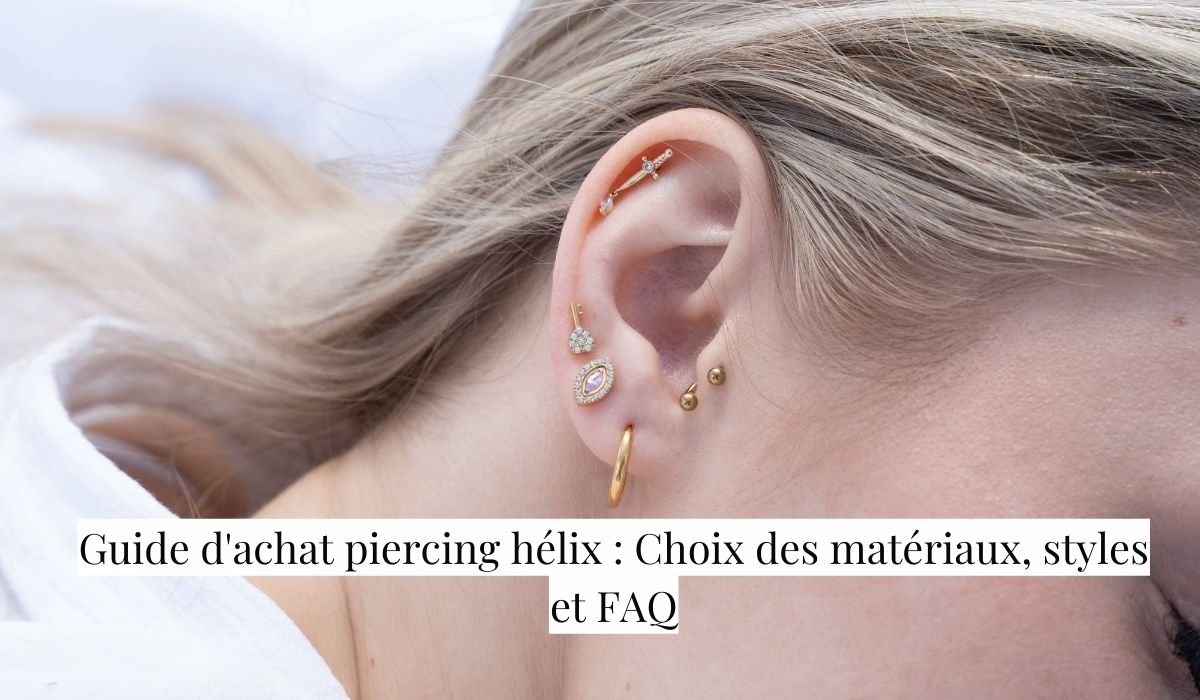
The conch piercing takes its name from the conch of the ear, the hollow part at the centre. This type of piercing can be done in two ways: inner conch, where the jewelry sits right in the centre, and outer conch, where it's positioned along the outer edge. The choice between the two often comes down to the shape of your ear and your personal preferences. If you decide to get a conch ear piercing, you'll need to wear labret jewelry throughout the entire healing period.
Why Is the Conch Piercing So Popular?
The conch piercing is loved for several reasons. Aesthetically, it works with a wide range of jewelry styles, from discreet to bold, suited to every personal taste. The placement lets you choose between labret jewelry and a hoop. Dare to express your personality!
Choosing Your Conch Piercing
What Are the Best Materials for a Conch Piercing?
When choosing jewelry for a conch piercing, material choice matters a great deal, not just for looks but for your everyday comfort too. High-quality materials reduce the risk of reactions like irritation, inflammation or infection. It's essential to choose piercing jewelry that respects your body and holds up to everyday wear. Here are the best materials to consider:
- Hypoallergenic, reducing the risk of allergic reactions (no nickel).
- Lightweight, comfortable for long-term wear.
- Resistant to corrosion, making it durable and safe for prolonged use.
- Available in titanium or PVD gold, so you can find the perfect piece.
14k and 18k gold:
- Less likely to cause infection or allergic reactions than lower-quality gold alloys.
- Offers a shine and a luxurious look.
- Durable, and holds up well to everyday wear.
- Often recommended for first-time piercings, since it's hypoallergenic and biocompatible
These materials aren't just aesthetically pleasing: they also offer real safety and comfort benefits, supporting the healing process. We recommend avoiding surgical or stainless steel jewelry for new piercings, since these materials can contain nickel, a common allergen among piercing lovers. For already-healed piercings, particularly lobes, 316L surgical steel can be an acceptable option, thanks to its low nickel content.
Which Jewelry Style Suits the Conch Piercing Best?
The conch piercing can be styled with a variety of jewelry, making it easy to adapt to your personal look and comfort. Here are a few popular options:
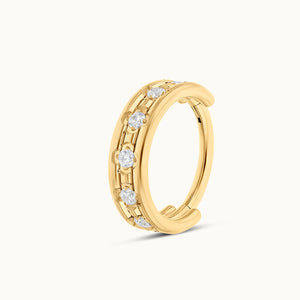
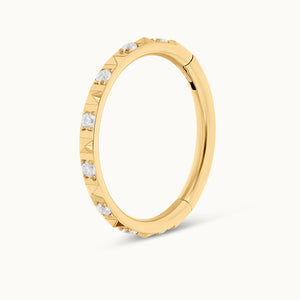
- Hoop jewelry:
Hoops remain a classic choice for the outer conch, wrapping elegantly around the edge of the ear for a striking visual effect. You can only wear hoop jewelry once your conch piercing is fully healed, since hoops move more than labret jewelry, especially in a mobile area like the ear. That movement can irritate the piercing channel, leading to swelling, redness, or even infection.
- Labret jewelry:
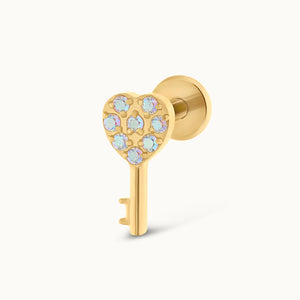
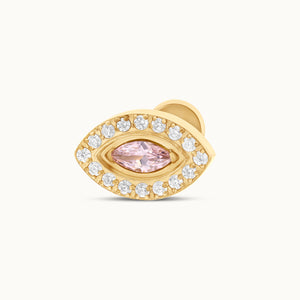
For an inner conch piercing, labrets are ideal both as your first piece and even after healing. This jewelry features a flat back bar, making it comfortable, especially during the healing phase. It's discreet and perfect for anyone who prefers a more subtle style. Your piercer will fit you with a labret as your first piece.
10 Frequently Asked Questions About the Conch Piercing
How Long Does the Conch Piercing Take to Heal?
Healing time for a conch piercing generally ranges from 6 to 9 months, or more, depending on aftercare and individual healing. Good hygiene and following aftercare recommendations can help speed things along. Don't rush it: healing a cartilage piercing takes time.
Does the Conch Piercing Hurt?
Pain during a conch piercing varies from person to person. Most clients report a feeling of pressure followed by a sharp pain during the piercing itself, though this is usually brief, since the piercing only takes a few seconds.
What Aftercare Does the Conch Piercing Need?
Essential aftercare includes cleaning the piercing twice a day with saline solution and a sterile gauze pad. Don't use disinfectants or alcohol-based products to clean your piercing, and avoid removing crusting too early, as this can slow down healing.
When Can You Change Your Conch Jewelry?
We recommend waiting until the piercing is completely healed before changing the jewelry, which can take around 6 to 9 months, or more. Changing it too early can irritate the piercing and extend healing time. Don't hesitate to visit your piercer for advice on when to change your jewelry.
How Do You Identify and Treat an Infection?
Signs of infection include excessive redness, swelling, heat to the touch, yellow or green discharge, and increased pain. If you suspect an infection, consult a professional right away for proper treatment.
What Activities Should You Avoid After a Conch Piercing?
Avoid activities that could expose the piercing to bacteria or impact, like swimming in pools or contact sports, until it's fully healed.
What's the Best Way to Sleep With a Conch Piercing?
To sleep comfortably with a conch piercing, use a donut-shaped travel pillow, or position your head so there's no pressure on the pierced ear. Also avoid sleeping on the side of the piercing during the first few weeks of healing.
When Should You Consult a Professional After Getting Pierced?
We recommend consulting a professional if you notice signs of infection, feel unusual pain, or have specific questions about caring for your new piercing.
Does the Conch Piercing Affect Hearing?
Normally, the conch piercing doesn't affect hearing. However, if the jewelry is poorly placed or excessive swelling occurs, you may feel a temporary blocked sensation, which should resolve as healing progresses. Don't hesitate to go back to your piercer if you experience this due to excessive swelling.
Can You Get a Conch Piercing If You Already Have Other Ear Piercings?
Yes, you can get a conch piercing alongside other ear piercings, as long as you care for each one individually and your ear can accommodate multiple piercings.
The conch piercing is a popular choice for anyone after a unique touch of style. With the right aftercare and thoughtful material choices, your conch piercing experience can be as safe as it is stylish. Remember to consult a qualified professional with any questions or concerns, and explore our collection of jewelry designed specifically for conch piercings.