

Helix Piercing: Pain, Healing, Jewelry Types, and More
Dreaming of a new ear piercing? Want to add different jewelry pieces and build an original style?
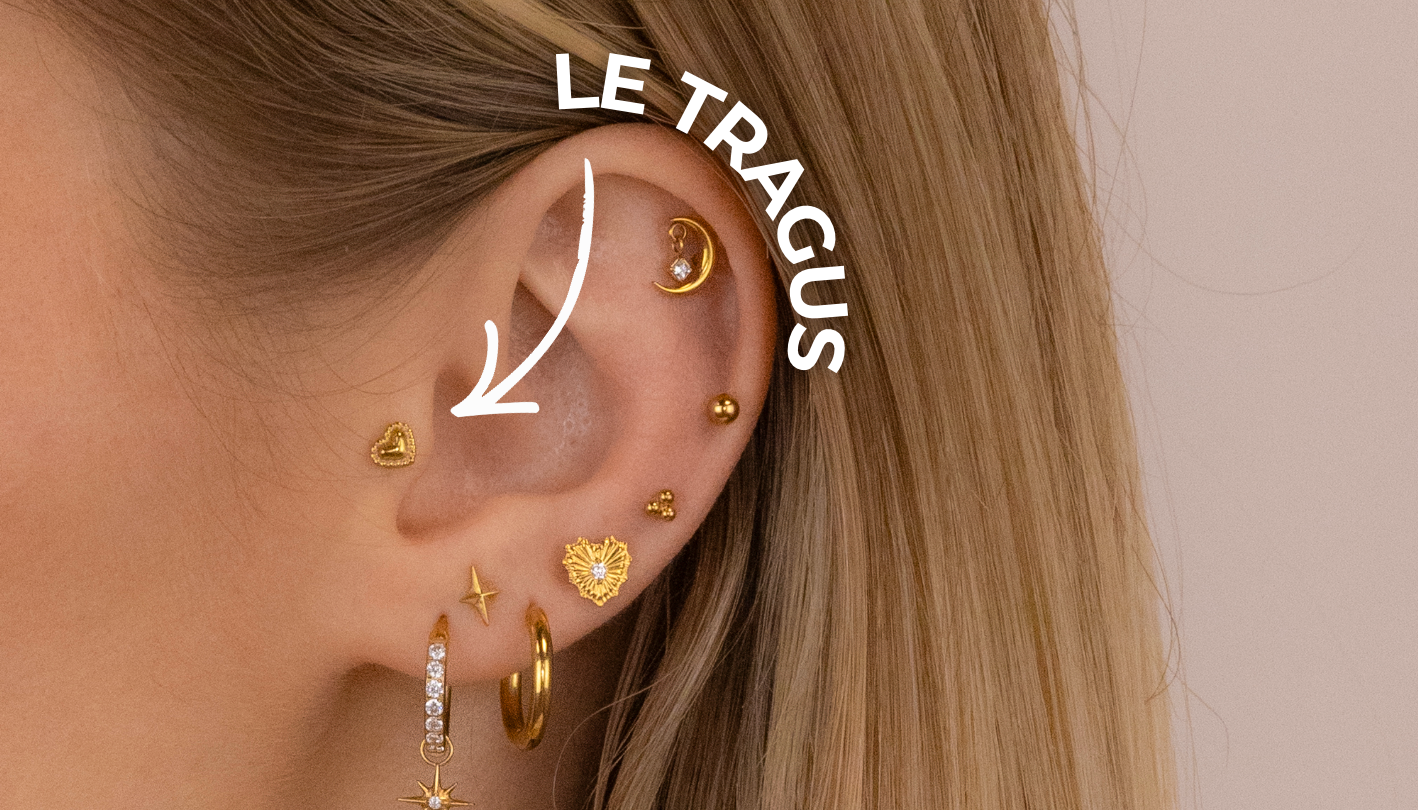
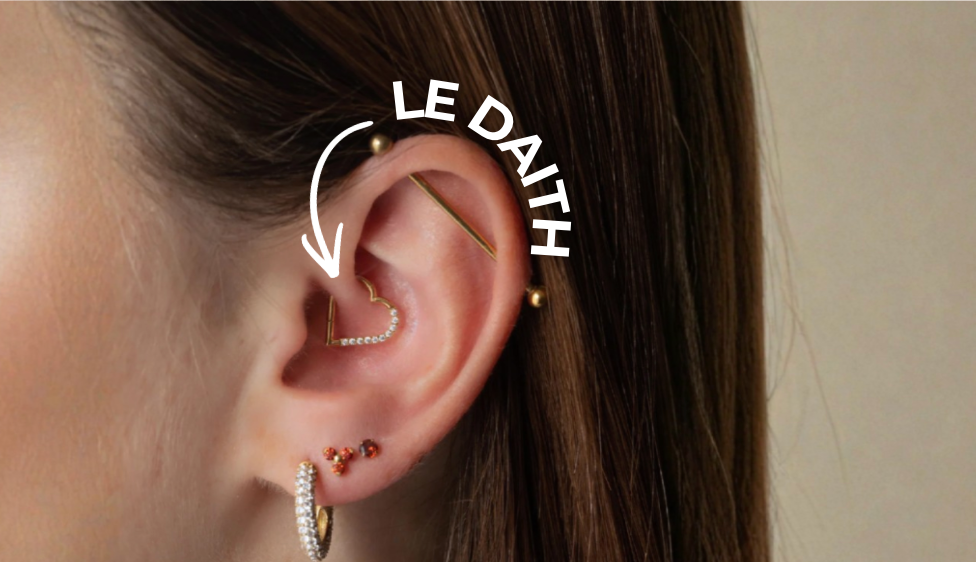
Good news, because the options for ear piercings are endless! Conch, tragus, daith, lobe, and helix are just some of the spots where you can add piercing jewelry. So take the time you need to decide where to place your helix piercing!
If you've never had an ear cartilage piercing before, the helix piercing is definitely one you can try first. It's a piercing that causes little pain and heals fairly easily and quickly (under the right conditions).
So the helix piercing is a great choice for your first ear cartilage piercing!
You're ready to take the plunge, but still have a few questions? Does the helix piercing hurt a lot? Does it heal quickly? Which jewelry can I choose? What about aftercare?
Keep reading. You'll almost certainly find the answer to most of your questions in this article dedicated to the helix piercing!
Table of Contents
- Helix Piercing: Where on the Ear Is the Helix
- How Much Does a Helix Piercing Hurt
- Helix Piercing: How Long to Heal
- Aftercare and Rules to Follow for a Helix Piercing
- Which Jewelry to Choose for a Helix Piercing
- What Jewelry Size for the Helix Piercing
- When to Change Your Helix Piercing
- Anti-Helix Piercing: A Variation on the Helix
Helix Piercing: Where on the Ear Is the Helix Located?
Not sure exactly where the helix is on the ear?
This visible part of the outer ear sits along the upper, outer edge of the ear. The helix is essentially that small rim that runs around the outside of your ear.
The helix piercing has the advantage of being discreet if you choose to wear a small piece, like a prong-set stud or a cabochon. But it can also stand out more if you go for a hoop or a piece set with zirconia stones, like a Sterope or a Celeno. It's up to you!
How Much Does a Helix Piercing Hurt?
It's one of the first questions that comes to mind when you're about to take the plunge and get a new piercing. Don't worry: that's always the case when getting a piercing, whether it's the helix, the conch, the daith, the tragus, or any other cartilage piercing, all of which have a reputation for being painful.
Have you ever had a lobe piercing? You probably remember that sharp little pinch felt at the moment of piercing.
With a helix piercing, it's fairly similar. That said, cartilage piercings are slightly more painful than a lobe, which is made up only of soft tissue. But don't worry: this pain feels like a very quick pinch to your ear, nothing to be afraid of.
The healing phase itself should be fairly painless if you wear quality jewelry and follow the aftercare instructions.
It's worth noting that pain is different for everyone.
Helix Piercing: How Long Does It Take to Heal?
Healing for a cartilage piercing, like the helix piercing, varies from person to person. Generally, full healing takes 6 to 9 months, or more, as long as you follow the hygiene rules your piercer gives you.
It's best to have your healing monitored by the professional who did your piercing. That's true for any piercing, but especially for a cartilage piercing, which usually needs more attention during healing. This is especially true for an ear piercing, which faces plenty of bacteria day to day, from hair, hats, headphones, and more. A daith or tragus piercing, for example, sits right in front of the ear canal, an area where bacteria tend to build up, so it's more exposed to complications. That's why it's important to follow a strict aftercare routine to support healing and avoid any issues.
Helix Piercing: Aftercare and Rules to Follow
Want to avoid complications like infection, swelling, or poor healing with your helix piercing?
In that case, follow these hygiene rules!
How Do You Clean Your Helix Piercing?
Wash your hands thoroughly. It's important to have clean, dry hands before doing any aftercare.
Never touch your healing piercing with dirty hands: this is essential to avoid any risk of infection.
For everyday care, we recommend using a saline solution, applied with a compress morning and evening for 15 days. After that, you can cut back to once a day until it's fully healed. It's best to use a compress for aftercare, since cotton pads can leave fibers around the jewelry or catch on it.
Things to avoid:
- Never sleep on your new piercing
- Watch out for knocks, snags, and friction from clothing.
- Swimming pools
- Makeup on the piercing
- Removing the piercing yourself before your check-up visit
- Playing with the piercing or touching it outside of aftercare.
- Applying antiseptic products, such as chlorhexidine or iodine-based solutions
If you run into any issues during healing, please reach out to us directly or to your trusted piercer.
What Helps a Helix Piercing Heal Well
Whatever ear piercing you have (helix, conch, daith, tragus, or any other cartilage piercing), make sure to dry it thoroughly after aftercare. Bacteria are always drawn to moisture on a cartilage piercing.
Remember to clean your helix piercing daily with a sterile compress and a saline solution.

Which Jewelry for a Helix Piercing?
With your new helix piercing, you have every opportunity to build a style that's entirely your own!
If you already have other ear piercings, you can start thinking about a harmonious jewelry composition to elevate your style.
The hoop remains the most popular choice for a helix piercing, whether worn alone or alongside other piercing jewelry. A lobe/tragus/helix trio, or a lobe/conch/helix trio, is a common and fairly simple composition for your ear.
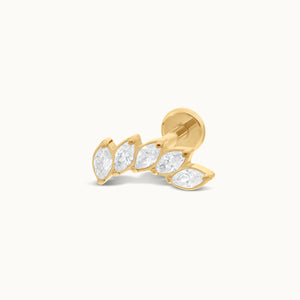
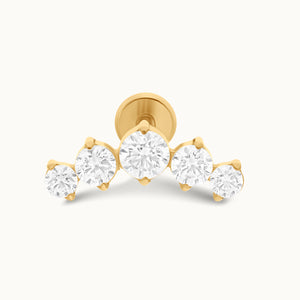
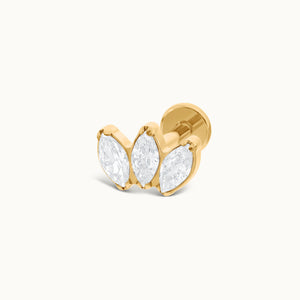
Many people also choose a screw-on top on a labret bar. It's one of the ideal jewelry types for all kinds of ear piercings. This is especially true for the helix piercing, where a marquise or an Algieba piece, for example, will perfectly follow the curve of your helix.
Which Jewelry Material for a Helix Piercing?
The last thing we want is for you to run into problems with your helix piercing. Pain, infection, and poor healing are our enemies.
That's why, at Obsidian Piercing, our piercers stick to a strict standard, refined over fifteen years of practice.
As a result, we've chosen to work exclusively with 14K and 18K gold as well as ASTM F-136 grade titanium. These materials are premium quality, biocompatible, and completely nickel-free. With them, you won't have to worry about infections or allergies (as long as you follow the aftercare instructions we provide). Gold and titanium are ideal materials for an initial ear cartilage piercing, and are recommended over popular so-called "surgical" steel or bioplast. Steel is a very popular metal for piercings because of its low price, but it contains nickel, an alloy that can be harmful and that at least 10% of the population is allergic to. Titanium is a higher-quality, lighter alternative to steel, especially given that this jewelry will stay with you for good. What's more, choosing quality means you won't have to think twice about your jewelry: no more taking it out for a shower, sports, or a day at the beach.
Of course, it's essential to follow the recommended hygiene rules after getting your piercing, whether it's the helix or anywhere else (conch, tragus, face, body, and more).
Check out our helix piercing jewelry here.
What Jewelry Size for the Helix Piercing?
Since everyone is built a little differently, sizes can vary from person to person, but there are standard sizes used by professional piercers.
Here's a quick table of sizes for helix and anti-helix piercing jewelry, the helix's variant.
|
Jewelry |
Thickness |
Length/Diameter |
|
Helix with a bar |
1.2 mm |
6/7 mm |
|
Helix with a hoop |
1.2 mm |
8/10 mm |
|
Anti-Helix with a bar |
1.2 mm |
5/6 mm |
|
Anti-Helix with a hoop |
1/1.2 mm |
6 mm |
Jewelry size can also depend on your taste, for example if you want a bigger hoop that rests along the rim of your ear.
For example, a helix piercing with a hoop close to the ear is 8 mm, while a bigger hoop is 10 mm. Of course, this depends on the shape of your ear and where exactly your helix piercing is placed: if it's further from the edge of your ear, you'll need to adjust your hoop's diameter accordingly.
For more information on sizing for other ear piercings, click here.
Helix Piercing: When to Change Your Jewelry for the First Time?
Most of the time, you'll change your helix piercing jewelry at your check-up visit at your trusted piercing studio.
Generally, about a month after getting your helix piercing jewelry, you can adjust the bar length, since your piercing will have gone down by then if healing is going as expected and you're following the aftercare instructions. If you just want to change the screw-on top at the end of the labret, it's usually possible to do that sooner.
On the other hand, if you'd prefer a hoop, expect to wait at least two to three months before you can make the switch for your helix. The same rule applies to other piercings, like the tragus or the conch.

Feel free to contact our team for any further information. We're here to answer your questions about your helix piercing or any other piercing, whether it's on your ear, face, or body.
Share your experience with the helix piercing in the comments, or your questions if you haven't taken the plunge yet.