



Helix Piercing: Complete Buying Guide and FAQ
The helix piercing is known for its elegance and its distinctive style. This guide helps you choose the best materials and styles for your piercing. Discover the benefits of ASTM F-136 grade titanium and 14k or 18k gold jewelry for lasting safety, comfort and beauty. Follow our tips for the best possible experience and aftercare.
Everything About the Helix Piercing
The Classic Helix Piercing
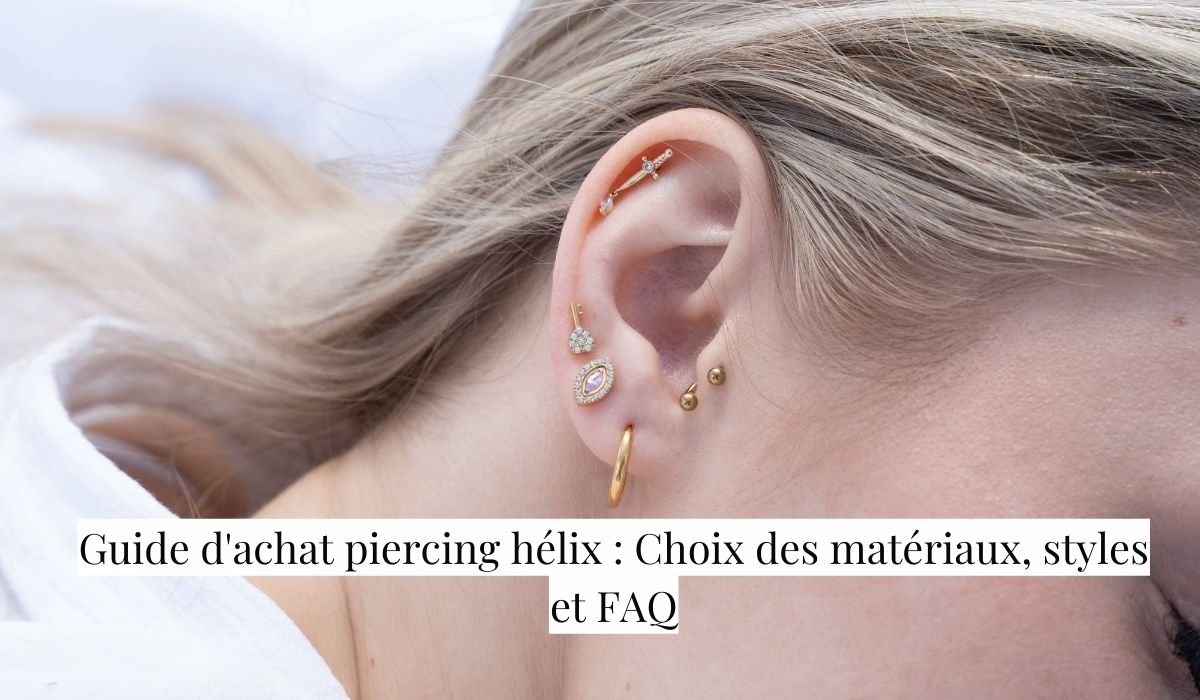
The helix piercing sits on the upper cartilage of the ear, making it not only visible but also open to a wide variety of jewelry styles. This type of piercing has grown in popularity thanks to its ability to look both discreet and eye-catching, depending on how it's styled.
Other Helix Piercing Variations
Beyond the classic helix, there are several variations that let you personalise the look of your ear even further:
- Anti-helix piercing: located opposite the helix, on the inner ear cartilage, this placement is ideal for a more integrated look, often chosen for its unique style and discreet footprint.
- Double helix piercing: two helix piercings on the same ear, creating a line of jewelry along the outer edge of the cartilage. This allows for even more personalisation, and is often used to create a stacked, layered effect.
Choosing Materials: An Important Step
Why Material Choice Matters
The material used for your piercing jewelry needs to be chosen carefully to avoid complications. It's essential to choose a biocompatible material that doesn't react negatively with the body, which matters all the more in sensitive areas like ear cartilage, where healing can be slower and more prone to complications.
The Benefits of ASTM F-136 Titanium
- Hypoallergenic: ASTM F-136 titanium is highly recommended for piercings, since it contains no nickel. You can wear ASTM F-136 titanium jewelry with real peace of mind!
- Lightweight: its lightness makes titanium comfortable to wear, especially in delicate areas like the helix, where the weight of the jewelry can affect both comfort and healing.
- Durable: titanium is also known for its durability and resistance to corrosion, meaning your jewelry will keep its shine and shape for years, even with everyday wear.
The Benefits of 14k and 18k Gold: Gold Has Always Been Prized for Its Look
14k and 18k gold strikes the perfect balance between purity and strength, making it ideal for helix piercing jewelry. It's also hypoallergenic and highly resistant to corrosion, so you can wear your gold piercing jewelry every day.
Jewelry Styles and Sizes
Different Types of Jewelry
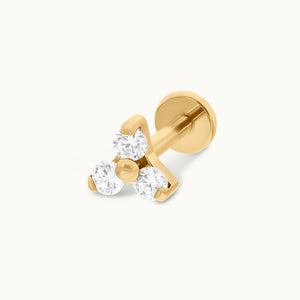
- Labrets: for a helix piercing, the recommended first piece of jewelry is often a labret. This type of jewelry supports healing thanks to its stability and snug fit, which reduce irritation. Helix jewelry is typically 7mm long and 1.2mm thick. Labrets can also be worn continuously, even after healing, to keep things comfortable and stylish.
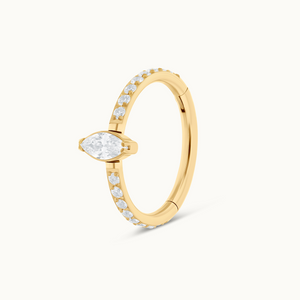
- Hoops: hoops are very popular for the helix. Choose a simple hoop for a discreet addition to your ear curation, or a zircon-set hoop for a bolder touch.
Tips for Choosing Your Helix Piercing
Choose jewelry that naturally follows the curve of your ear, enhancing its natural shape rather than distorting it. The helix piercing gives you access to a wide range of jewelry styles.
Make sure the size of the jewelry is proportional to your ear; a piece that's too large or too small can look out of place and affect healing.
The Piercing Process
The helix piercing process and the healing period that follows are key stages that call for proper understanding and preparation. Here's what you need to know:
How the Piercing Is Done
Getting a helix piercing is generally quick, but it should be performed by an experienced professional in a sterile environment to minimise the risk of infection. Here are the typical steps involved:
- Choose a qualified piercer: it's essential to choose a qualified piercer for your piercing. Don't hesitate to check their reviews and past work, and above all, make sure they follow proper hygiene standards.
- Consultation and planning: your piercer will examine your ear and discuss placement and jewelry options, taking into account the shape of your ear and your aesthetic preferences.
- Cleaning and marking: your ear will be carefully cleaned, and the exact insertion point will be marked for your approval.
- Piercing: your piercer will use a sterile needle to create the opening in the helix cartilage, after which the first piece of jewelry is inserted. The piercing itself takes only a few seconds.
Healing Your Helix Piercing
Healing time for a helix piercing can vary considerably depending on several factors:
- Healing time: cartilage heals more slowly than softer skin; full healing generally takes around 6 to 9 months, or more. During this time, it's crucial to follow post-piercing aftercare instructions to avoid complications.
- Aftercare: regular cleaning with saline solution and a sterile gauze pad is the best way to help your helix piercing heal well. Avoid touching or twisting your piercing.
- Jewelry type and material: using high-quality materials like ASTM F-136 grade titanium or 14k/18k gold reduces the risk of allergic reactions and supports faster healing. If you choose a material containing nickel, like 304 surgical steel, your skin may well react with irritation, inflammation or even infection.
Frequently Asked Questions About the Helix Piercing
Does ASTM F-136 Titanium Jewelry Suit Everyone?
Yes: this jewelry suits everyone, including sensitive skin. ASTM F-136 titanium piercing jewelry can be used as your first piece, letting you have stylish jewelry from the moment you get pierced. It's also perfect during healing, and even after: you can absolutely keep wearing it once your piercing has fully healed.
How Much Does a Helix Piercing Hurt?
Pain during a helix piercing varies from person to person. Most people report a quick tingling sensation or a sharp pressure, and the area may stay tender for a few days afterwards.
How Do You Care for a Helix Piercing?
Caring for a helix piercing means cleaning the area regularly with saline solution and a sterile gauze pad, twice a day for 3 weeks. Avoid touching the piercing with unwashed hands, and don't twist or move it. It's also best to keep the area dry and clean outside of cleaning times. Don't remove crusting too early, as this will slow down healing.
When Can You Change Your Helix Jewelry?
We recommend not changing your first piece of jewelry until the piercing is completely healed, which can take around 6 to 9 months, or more. If a change is medically necessary, it should be done by a professional to avoid complications. Before changing your helix jewelry, don't hesitate to go back to your piercer to confirm it's ready.
Can You Sleep on Your Helix Piercing?
It's best to avoid sleeping on the side with your helix piercing until healing is far enough along, to minimise pressure on the jewelry, which can cause pain, slow down healing, and lead to irritation and inflammation.
What Are the Signs of Infection, and How Do You Treat It?
Signs of infection include excessive redness, swelling, persistent pain, heat to the touch, and pus. If you notice any of these symptoms, consult a healthcare professional right away. Keep cleaning the area with saline solution, but avoid harsh alcohol-based products.
Choosing jewelry for a helix piercing is an important decision that combines aesthetics and comfort. By choosing high-quality materials like ASTM F-136 grade titanium and 14k or 18k gold, you ensure both a beautiful look and the safety and wellbeing of your piercing. For any questions or additional advice, don't hesitate to consult an experienced professional.

