



Daith Piercing: Pain, Healing, Jewelry Types, and More
Looking for a piercing that's a little different and a little more discreet? A piercing also known for its supposed effect on headaches, let's talk about the daith piercing.
We love the daith piercing for its unique character and the elegance it brings to your ear. It's also rumored to have a permanent effect on an acupuncture point located at the daith that's said to relieve migraines, though this has unfortunately never really been proven scientifically.
Does the piercing itself hurt a lot? Does it heal quickly and easily? Is it a good idea to wear a hoop in this part of the cartilage?
Don't worry! We're here to guide you and answer your questions.
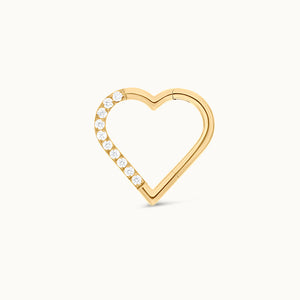
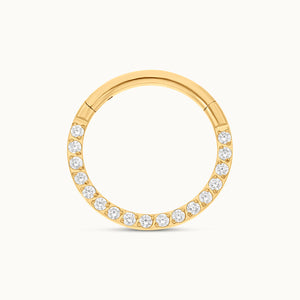
Table of Contents
Where Is the Daith Piercing Located on the Ear?
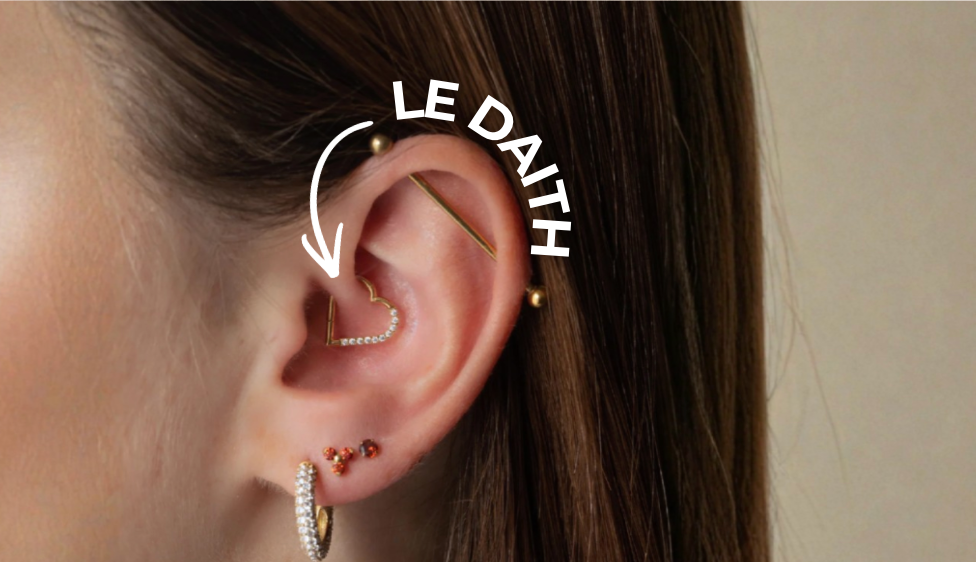
The daith is a part of the ear located just above your ear canal.
Touch the entrance of your ear. Move up slightly. Do you feel a fold of skin and cartilage that you can pinch? That's it! It sits right next to the tragus and the snug.
As you can tell, this part of the ear is very thin and small. If the piercing professional decides it isn't wide enough, you may not be able to get this piercing.
That said, your ear offers plenty of other piercing options, like the conch, the helix, or the tragus, for example.

An Ideal Acupuncture Point Against Migraines?
It's a question that's been debated for a few years now. The daith piercing sits on a point used to treat migraines in acupuncture. According to some specialists, getting a piercing at this exact spot on the ear could permanently stimulate this point from traditional Chinese medicine, potentially offering relief for people who suffer from regular migraines.
In a scientific study from 2017, a patient reportedly saw their headaches decrease after getting a daith piercing. However, this relief may simply be due to a placebo effect, which is why the research couldn't draw a firm conclusion due to a lack of solid evidence.
Some American piercing professionals report that some of their clients experience fewer headaches since getting a daith piercing.
That said, it's still too early to guarantee that this piercing can relieve your headaches. Keep in mind that, first and foremost, it's an aesthetic choice.
Price of the Daith Piercing
Prices will always vary depending on the studio's location and reputation, but you'll usually find the same price range as other ear cartilage piercings, in our studios in France: between €40 and €60. This typically includes the basic titanium piece used for your initial jewelry.
How the Piercing Is Done
It's essential to visit a piercing studio with a professional. Only they have the right equipment to perform the piercing properly. Give yourself plenty of time, and try to stay as relaxed as possible.
Your piercer will mark out the area to be pierced on your daith. They'll check that it's wide enough. A sterile needle then passes through the cartilage at the front of the ear canal. The piercer cleans the area with a saline solution.
Your daith piercing is now done! Congratulations.
Does It Hurt?
Does it hurt? It's a question that comes up all the time.
The location can make it seem more intense because of the cracking sound from the cartilage, since it sits right at the entrance of your ear canal. That said, it's mostly more frightening than painful! Otherwise, you'll just feel a sharp pinch in your ear, and the pain itself is very brief, though it tends to be slightly more painful than a helix or lobe piercing by comparison.
On the day of the piercing and the days that follow, you'll likely feel a slight warmth: that's simply your body's defenses kicking in to start the healing process.

What Types of Jewelry Can You Wear There?
The hoop is a go-to piece of jewelry for the daith, since it perfectly follows the inner shape of your ear. What's more, the hoop can be worn as your initial piercing jewelry!
You can also opt for a horseshoe or a curved barbell instead (a rarer alternative).
You could go for a finer, more understated look with a classic stone-free hoop, or go bold with the sparkle of a 14K gold Apollo hoop or a Grace hoop.
Which Material Should You Choose?
For the best possible experience, it's important to pay close attention to the quality of the materials used.
That's why we only work with 14K and 18K gold, as well as ASTM F-136 grade titanium. Their quality is unmatched, since these materials are completely nickel-free. What's more, these materials can be used for your initial piercing.
Find delicate gold and titanium jewelry for your skin in our Obsidian shop, made to elevate your piercings.
Because of its nickel content and often lower quality, steel, sold under names like "surgical" or "stainless," isn't recommended for piercings. Only ASTM F-138 grade, which is fairly rare to find, is recognized as biocompatible and safe to use on a healing piercing.

What Jewelry Size Should You Choose
Feel free to ask what size you're fitted with at your appointment with your piercer, so you can be more independent when choosing jewelry afterward.
Here's a general idea of the sizes commonly used by piercing professionals:

Healing and Hygiene Rules
How Long Does It Take to Heal Completely?
As with the tragus, helix, or conch piercing, it's important to take care of your daith piercing. Strict hygiene rules help it heal faster.
For the daith piercing, expect at least 6 to 9 months, or more.
You'll often need to go back to your piercer to check on your piercing's progress during a follow-up visit.
What Hygiene Rules Apply to Your Daith Piercing?
As you can probably tell, the daith is a beautiful piercing. That said, it sits right at the opening of the ear canal, which means bacteria can build up there quickly! So be sure to follow these instructions closely.
Only Touch Your Daith Piercing During Aftercare
It's best not to touch your ear piercing, as this could slow down healing. Playing with it can also irritate the cartilage. This can lead to bumps and infections, which can affect the look of your piercing.
When you do need to clean it, make sure to wash your hands thoroughly beforehand and dry them well, since moisture attracts bacteria.
Apply a Solution Using a Compress
For everyday care, we recommend using saline solution, applied with a compress morning and evening for 15 days. After that, you can cut back to once a day until it's fully healed.
It's best to use a compress for aftercare, since cotton pads can leave fibers around the jewelry or catch on it.
You can use anti-inflammatories if needed for up to 4 days after getting pierced.
Don't Sleep on It!
Don't sleep on the ear you just had pierced: the pressure and friction could slow down healing or even lead to infection.
Things to avoid while healing:
- Skip earphones and go for headphones instead, which won't put pressure on your new piercing.
- Excessive alcohol and drug use: the active substances in your bloodstream won't help healing
- Makeup on the piercing
- Removing the piercing yourself before your check-up visit
- Playing with your piercing: avoid touching it outside of aftercare
Also be careful when using cotton swabs!

When to Change Your Jewelry.
With this piercing, you'll have a horseshoe or a hoop from the very start, unlike other piercings such as the conch or the helix, where you have to wait about a month before switching to a hoop.
Plan on waiting at least 1 to 2 months before changing it. That said, if you have a horseshoe, you can still swap out the screw-on ends before then.
We hope we've answered your questions about the daith piercing!
Feel free to contact us for any further information about your new piercing (ear, helix, conch, tragus, and more).

