

Conch Piercing: Pain, Healing, Jewelry Types, and More
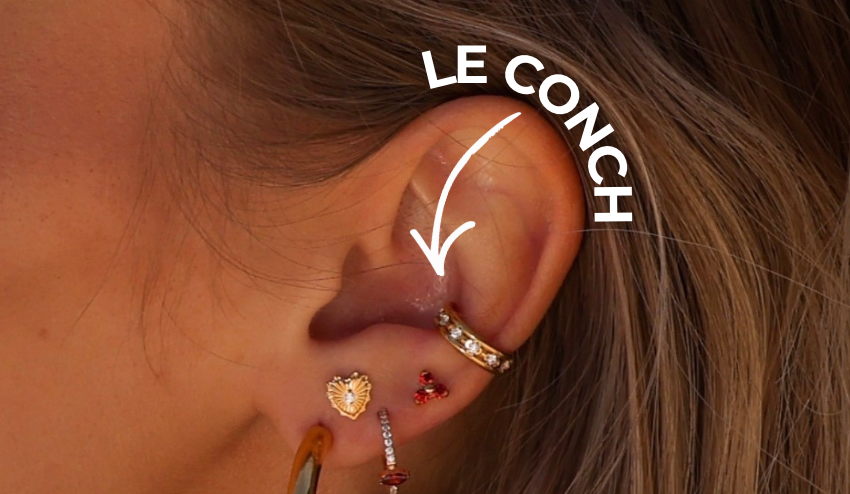
The conch piercing, named after the part of the ear it sits on, is placed on the section of the ear that faces the external ear canal. This part of the ear gets its name because it resembles the shape of a conch shell.
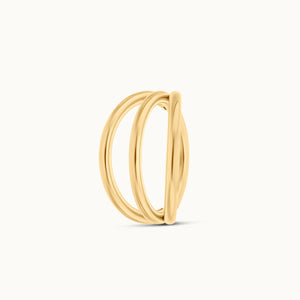
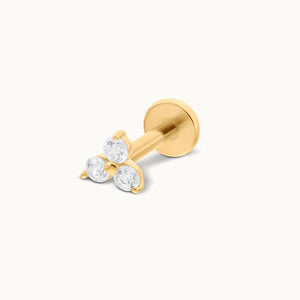
If you choose this piercing, you'll have a choice between an inner conch piercing or an outer conch piercing. The inner conch is the curved part facing the external ear canal, while the outer conch is the flatter, softer area between the helix and the anti-helix.
Table of Contents
- Getting ready for your conch piercing
- Conch piercing pain
- Conch piercing healing
- Aftercare rules for your new piercing
- Types of jewelry for a conch piercing
- Which jewelry material for a conch piercing
- Which size for your conch piercing jewelry
- Price of a conch piercing
- Variations on the conch piercing
- How to change your conch piercing
How to get ready for your conch piercing:
A conch piercing can be placed in different spots, so it helps to have a clear idea of exactly where you want it, so you can tell your piercer precisely where to place it.
It's essential to avoid getting pierced with a piercing gun (sometimes called an "ear-piercing gun"). While it can be tempting to go for the cheapest option, take the time to choose a piercer you trust who follows proper hygiene standards. You're paying someone to put a hole in your skin, so don't shop on price alone, choose quality instead. Piercing cartilage with a gun also risks shattering the cartilage during the procedure.
Make sure to choose good-quality jewelry in a biocompatible material to support healing and avoid infections. At Obsidian, we recommend ASTM F-136 grade titanium and 14K or 18K gold. If you'd like to know more about the different materials, we have a complete guide to help you choose.
A piercing without a proper aftercare routine can lead to infections or other skin issues, so keep in mind that once you get your new piercing, you'll need to carefully follow the aftercare rules and stick to a strict care routine.
For anyone under 18, written parental consent is required, and a parent must accompany you.

Conch piercing pain:
Generally speaking, cartilage piercings are manageable, ranking around 5 or 6 on a pain scale of 1 to 10. It hurts more than a lobe piercing, but it's nothing you can't handle. That said, it's worth noting that everyone experiences pain differently, so it may feel less painful for some people, or considerably more for others.
A professional piercer must always use a fine, sterile, single-use needle to pierce your conch, so the pain itself is only very brief.

Conch piercing healing:
Healing time always varies from person to person, and depends on how closely you follow your aftercare routine after getting pierced.
A conch piercing can take 6 to 9 months or more to fully heal, so check in with your piercer to find out when you can change your jewelry and when to stop your aftercare routine.
Be careful not to confuse a keloid with a hypertrophic scar (a raised bump); a scar is only considered a keloid starting around 18 months after the piercing.

Rules to follow after a conch piercing
Pay attention to what you expose your ears to. You'll likely expose your piercing to plenty of bacteria, whether from your hair, earphones, or a hat, which could lead to infection. Keep your piercing away from any foreign objects for the first few days after getting pierced. If your hair gets in the way, tie it back. Avoid earphones and go for headphones that don't put pressure on your ear or your new conch piercing. Avoid any type of hat or cap. Let your piercing heal without disruption.
Avoid touching your piercing. Touching or playing with your piercing can damage the skin around it. Avoid twisting or moving it. You should also be careful not to sleep on the ear you just had pierced. If you're planning to pierce both ears, it's often smarter to do one at a time to avoid complications while sleeping, especially if you sleep on your side.
Wash and clean your conch piercing. Cartilage piercings in particular are prone to healing poorly or developing a bump. So don't skip your aftercare routine. Keep your ears clean, and make sure there's no dead skin or earwax around your piercing. Sleep in a clean bed and wash your pillowcase often to avoid exposing your ear piercing to bacteria. You want your new conch piercing to look great, not develop bumps, so keep an eye on it regularly to keep it clean and dry.

What types of jewelry for a conch piercing:
As mentioned earlier, the conch piercing comes in two variants: inner conch and outer conch. So you'll need to choose the placement of your new piercing based on the style of jewelry you want to wear.
One of the classics is the hoop, which usually sits on the outer part of the conch and wraps around the rim of the ear. Some hoops, like our "Alrakis" hoop, can give the impression of wearing several piercings with just one.
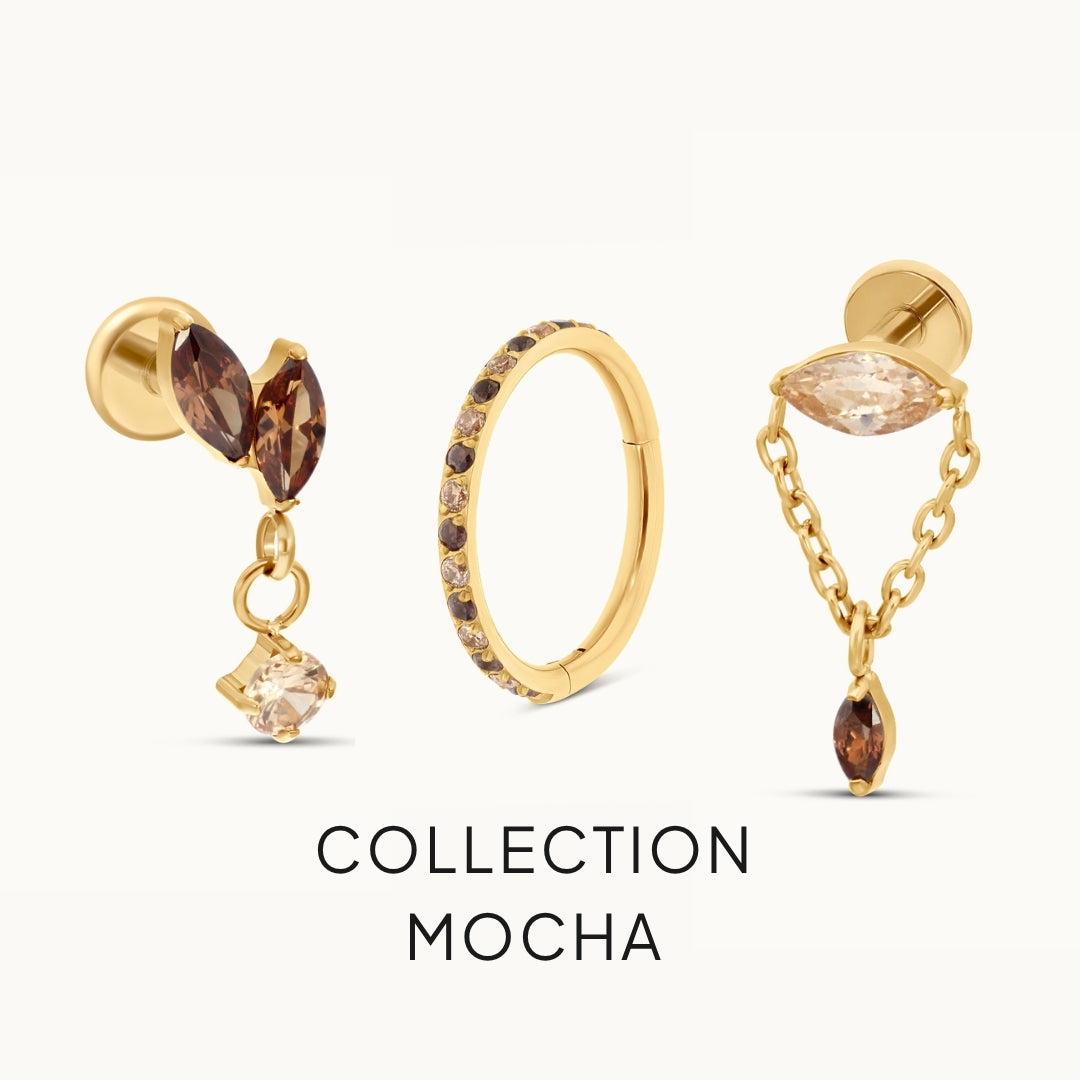
For an inner conch piercing, you'll need to go with a piercing that takes a screw-on top. The advantage of a labret is that you won't need to wait to "change" it after your new conch piercing: you'll simply swap out the screw-on top, while the bar length will be adjusted once your piercing has had time to go down. Otherwise, you'll need to wait 2 to 3 months before you can wear a hoop in your piercing.
Which material for a conch piercing:
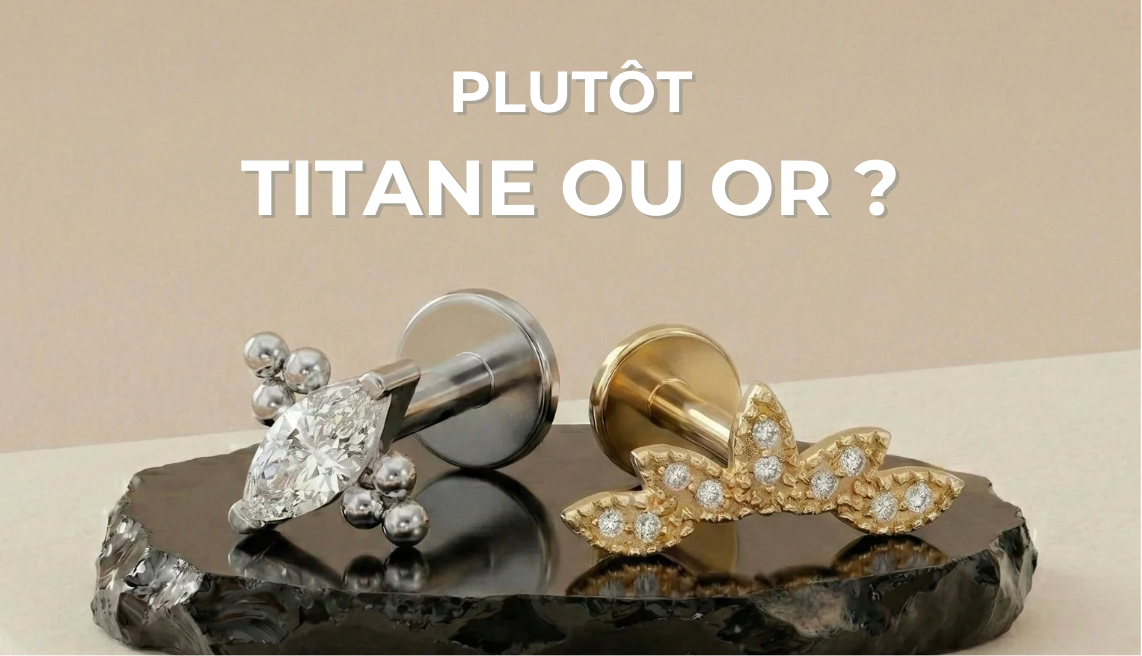
- Titanium: if you're after quality piercing jewelry at a lower cost, titanium is what you need. ASTM F-136 grade titanium is biocompatible, making it a great choice as initial jewelry for trouble-free healing. This material has the advantage of being lighter than steel while also being more durable. Another strong point is that it's nickel-free, helping you avoid allergies, unlike its so-called "surgical" steel counterpart.
- Gold: a noble, elegant metal. If you love things that shine and want to keep your jewelry forever, gold will stay with you for a very long time (if not your whole life), as long as you take care of it. For your piercing, whether it's the conch or elsewhere, go for jewelry in at least 14 karat and at most 18 karat gold. 9 karat gold contains nickel and isn't biocompatible, while 24 karat gold is too soft to be made into piercing jewelry.
- Steel: very popular today, so-called "surgical" steel is a cheaper but lower-quality alternative. This steel contains a high proportion of nickel, to which around 10% of the population is allergic. It's also heavier and less durable than the materials mentioned above. It's only recognized as biocompatible in its ASTM F-138 or ISO 5832-1 grade.
Which size for your conch piercing jewelry
To order on your own, you'll need to know the right size to order, so here's a table with the standard sizes used by piercing professionals:
|
Jewelry |
Thickness |
Length/Diameter |
|
Bar |
1.2/1.6mm |
6/7/8mm |
|
Hoop/Horseshoe |
1.2/1.6mm |
10/12mm |
These sizes only apply to a fully healed piercing. It can tend to swell, which is why your piercer will fit a longer bar at first to allow for swelling, then switch to a shorter bar once it's had time to go down. At that point, you can ask them for the size that matches your anatomy.
If you order from our site, don't worry if you picked the wrong size: we accept returns and exchanges as long as the jewelry hasn't been worn.

Price of a conch piercing:
The price of a conch piercing will always depend on where you live, as well as the piercer's reputation and experience. In our piercing studios in France, prices for this piercing typically range between €40 and €60.
Variations on the conch piercing:
It's possible to get a double or even triple conch piercing. Combined with other cartilage piercings, this can add real character to your ear curation. That said, keep in mind it means paying extra attention to your aftercare routine afterward. It can be smarter to get them one at a time rather than all at once.

How to change your conch piercing:
It's important to be careful with your new piercing until it's fully healed. For the first change or two, it's best to go back to your piercer for advice and their go-ahead on whether your piercing has healed, they can also help you switch to a better-fitting bar once the piercing has gone down, or to a hoop.
For labret jewelry, you'll simply need to change the screw-on top at the end, so you don't always need to remove the whole piece the way you would with a hoop.
We offer a wide selection of jewelry for women and men in our online shop! Free delivery is available from €160.
Feel free to reach out with any questions about piercings (tragus, daith, septum, rook, nose, lip...)! If it's your first piercing, we're always happy to help.