

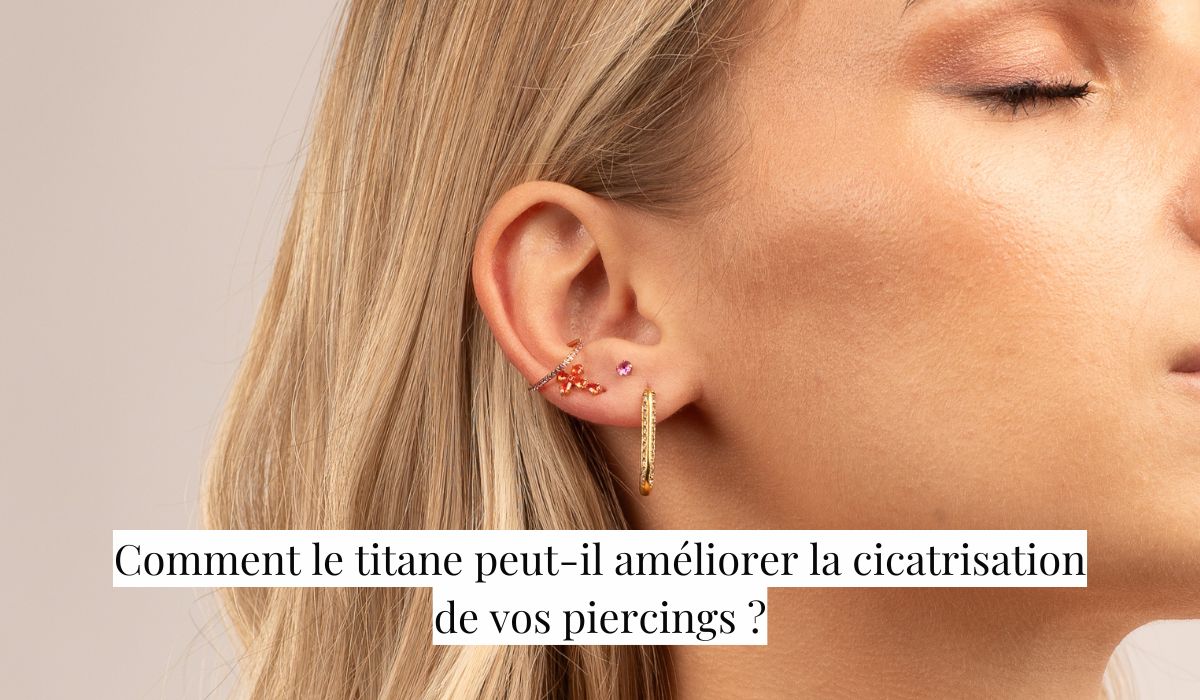
How Can Titanium Improve the Healing of Your Piercings?
Choosing the right material for an ear piercing or body piercing is essential for quick, trouble-free healing. Among the many metals available, titanium stands out as the ideal choice thanks to its hypoallergenic, biocompatible properties. Unlike stainless steel or silver, it helps minimise the risk of irritation and infection, for an optimal healing experience.
In this article, we'll explore why choosing titanium jewellery is the best ally for your piercing, breaking down its benefits and sharing essential tips to help speed up and support healing.
Why Titanium Is Ideal for Piercing Healing
Hypoallergenic and Biocompatible
ASTM F-136 titanium is known for its exceptional biocompatibility, meaning it's extremely well tolerated by the human body. Unlike other metals containing nickel or copper, it significantly reduces the risk of infection and skin irritation, supporting better piercing healing.
ASTM F-136 Titanium for Healthy Healing
ASTM F-136 titanium piercing jewellery is nickel-free, an element often responsible for allergies and skin irritation. This composition makes it perfectly suited to sensitive skin and supports quick, trouble-free healing after a piercing.
Less Irritation and Fewer Allergies
Unlike nickel or certain stainless steel alloys, titanium is hypoallergenic and ideal for sensitive skin. It helps reduce redness, itching and allergic reactions, for optimal comfort from the moment you're pierced and throughout healing.
How Titanium Speeds Up Piercing Healing
Exceptional Stability and Durability
ASTM F-136 titanium piercing jewellery is extremely stable, meaning it doesn't react with bodily fluids and doesn't oxidise over time. How durable a piece of piercing jewellery is matters a great deal.
Less Inflammation and Better Recovery
Thanks to being nickel-free and biocompatible, titanium significantly limits inflammatory reactions and the risk of irritation. This supports better recovery after piercing, by reducing redness and swelling.
Comfort and Lightness for Easier Healing
Titanium is an extremely lightweight material, which reduces pressure on a freshly done piercing. Less tension means faster, more comfortable healing, without the risk of irritation caused by jewellery that's too heavy.
Comparing Titanium With Other Piercing Materials
Titanium vs Surgical Steel
Surgical steel, such as 304 surgical steel, is often used for piercing jewellery due to its corrosion resistance and affordable cost. However, it contains a significant amount of nickel, which can trigger allergic reactions in sensitive individuals.
ASTM F-136 titanium, on the other hand, is completely nickel-free, helping minimise the risk of irritation and allergy. Titanium is also lighter than surgical steel, which reduces pressure on the piercing and supports faster, more comfortable healing.
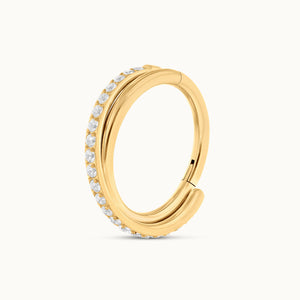
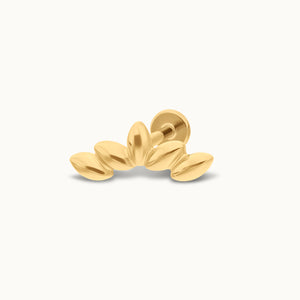
Tips to Support Healing for Your Titanium Piercing
Why Hygiene Matters During Healing
Good hygiene is essential to support optimal healing for your titanium piercing.
- Clean your piercing twice a day with a sterile saline solution, to remove impurities and help avoid a build-up of bacteria.
- Use a sterile compress to do the cleaning.
- Avoid alcohol, hydrogen peroxide or harsh antiseptic solutions, which can irritate the skin and slow healing.
- Gently pat the area dry with a clean sterile compress rather than a towel, to help avoid the spread of germs.
Avoiding Irritants and Habits That Hurt Healing
To avoid complications during healing, it's essential not to touch your piercing with dirty hands, as this can introduce bacteria and lead to infection. Also avoid exposing your piercing to harsh chemical products such as perfume, lotions or make-up, which can irritate the skin and slow down healing. What's more, limit friction from clothing or pillows to help minimise the risk of irritation and inflammation.
When to See a Professional
It's essential to watch for signs of infection or complications while your titanium piercing heals. Symptoms to watch for include intense redness, persistent swelling, increasing pain, yellowish or greenish discharge, and excessive warmth around the piercing. If you notice any of these signs, we recommend seeing a piercing professional or a doctor, to avoid more serious complications and get the right care.
ASTM F-136 titanium is the ideal material for a safe piercing and quick healing. Thanks to being nickel-free and biocompatible, it helps reduce the risk of allergy and infection while offering optimal comfort. By following good aftercare habits and choosing the right titanium jewellery, you'll support your piercing's healing and help avoid complications.
Whether you're getting an ear piercing, a navel piercing, or another type of body jewellery, choosing titanium is a safe, long-lasting choice. Discover our selection of ASTM F-136 titanium jewellery for a quality piercing that's gentle on your skin.