

The 5 Mistakes to Avoid After a Conch Piercing
The conch piercing has become one of the most popular ear piercings in recent years, drawing more and more people who want to personalise their look. Whether you choose a small, discreet hoop or something bolder, this distinctive piercing needs special care to heal well. That said, after getting a conch piercing, certain mistakes can complicate healing and increase the risk of infection. In this article, we'll walk through the five most common mistakes to avoid, so you can look after your conch piercing and enjoy how it looks to the fullest.
The Conch Piercing: An On-Trend Ear Piercing
Where Is the Conch Piercing Located?
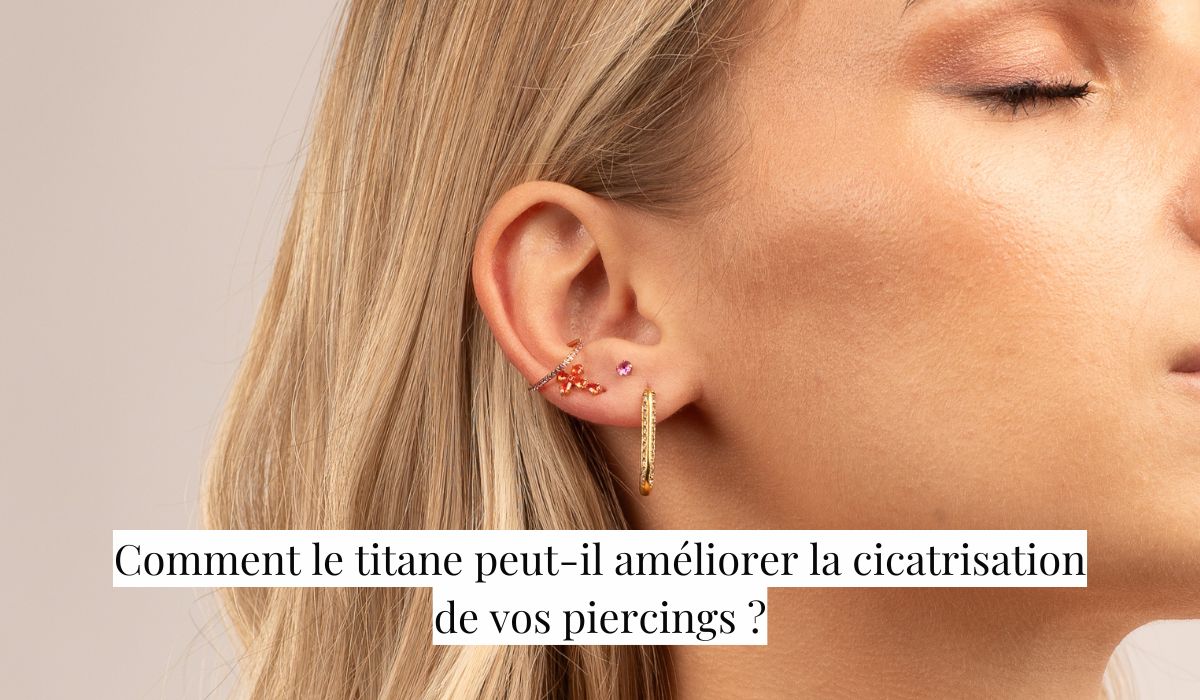
The conch piercing sits in the ear cartilage, more precisely on the inner part of the cartilage, between the lobe and the helix. This piercing stands out for its central position on the ear, which makes it particularly striking and versatile. It can be done in two ways: either through the inner cartilage (inner conch piercing) or the outer cartilage (outer conch piercing).
Why is the conch piercing so on-trend? As well as adding a modern touch to your look, it's also loved for how well it suits so many styles. Whether you're a fan of minimalist jewellery or bolder pieces, the conch piercing lets you personalise your ear with elegance.

Common Mistakes After a Conch Piercing
Mistake #1: Neglecting Hygiene and Aftercare
Why does hygiene and aftercare matter?
When you get your ear pierced, the pierced area becomes an entry point for bacteria. Neglecting hygiene can lead to inflammation, sometimes serious, that can delay healing or even mean the jewellery has to be removed.
Poor hygiene is one of the leading causes of piercing infections, especially in the first few weeks after getting pierced. Following a regular aftercare routine is essential to help prevent infection. This means properly cleaning your conch piercing, as well as avoiding touching your piercing with dirty hands or exposing it to unhygienic conditions.
To help avoid infection, we recommend:
- Cleaning your conch piercing with a saline solution
- Cleaning it twice a day for three weeks.
- Using a sterile compress to do the cleaning.
Avoid using strong antiseptic products, such as alcohol, which can irritate the skin and delay healing. Also, don't touch your piercing with unwashed hands, avoid rubbing or turning the jewellery, and don't remove any crust that forms, as this can cause irritation.
Mistake #2: Using the Wrong Jewellery
Why Choose ASTM F-136 Titanium Jewellery?
When choosing jewellery for your conch piercing, it's essential to choose a material suited to healing, like ASTM F-136 titanium.
This material is hypoallergenic, durable and water-resistant, making it the ideal choice for first-fitting jewellery. Titanium is also lightweight, which helps reduce the risk of irritation, and doesn't react with the skin's natural acidity, unlike other metals such as stainless steel.
Using titanium jewellery will significantly reduce the risk of infection and support quick, trouble-free healing.
Choosing the Right Jewellery for Your Conch Piercing
It's also important to choose the right size and type of jewellery for the shape of your ear. The jewellery needs to fit the pierced area properly to avoid excess pressure on the cartilage, which could cause pain or complications.
Your first-fitting jewellery will be labret-style. That's because hoop jewellery isn't recommended straight away for a first fitting. Hoops move within the cartilage and cause irritation. Once healing is complete, you'll be able to wear a hoop.
Mistake #3: Changing Your Conch Jewellery Too Soon
The Risks of Changing Jewellery Too Early
One of the most common mistakes after a conch piercing is changing the jewellery too soon. It can be tempting to want to personalise your piercing with new jewellery, but it's essential to give the pierced area time to fully heal. If you change the jewellery before healing is complete, you risk disrupting the healing process, which can lead to infection or irritation.
Full healing for a conch piercing takes around 6 to 9 months or more, depending on aftercare.
Mistake #4: Exposing the Piercing to Unhygienic Conditions
Places to Avoid After a Conch Piercing
After getting a conch piercing, it's important to protect your ear from unhygienic environments that could encourage infection. Avoid:
- Swimming in public pools
- Spas and hot tubs, where the water can contain bacteria.
Exposure to damp environments can cause infection, delay healing, or even lead to serious complications if left unaddressed.
Mistake #5: Ignoring Signs of Infection or Irritation
What Are the Signs of Infection on a Conch Piercing?
If aftercare isn't done properly, infection can occur. The signs of infection are usually visible: redness, pain, warmth around the piercing, or pus.
If you notice these symptoms, it's essential to see your trusted piercer to stop the situation getting worse.
To enjoy your conch piercing to the fullest, it's essential to avoid these common mistakes and take regular, attentive care of your piercing. By following this advice, you'll be supporting quick, trouble-free healing, while keeping your jewellery looking its best.
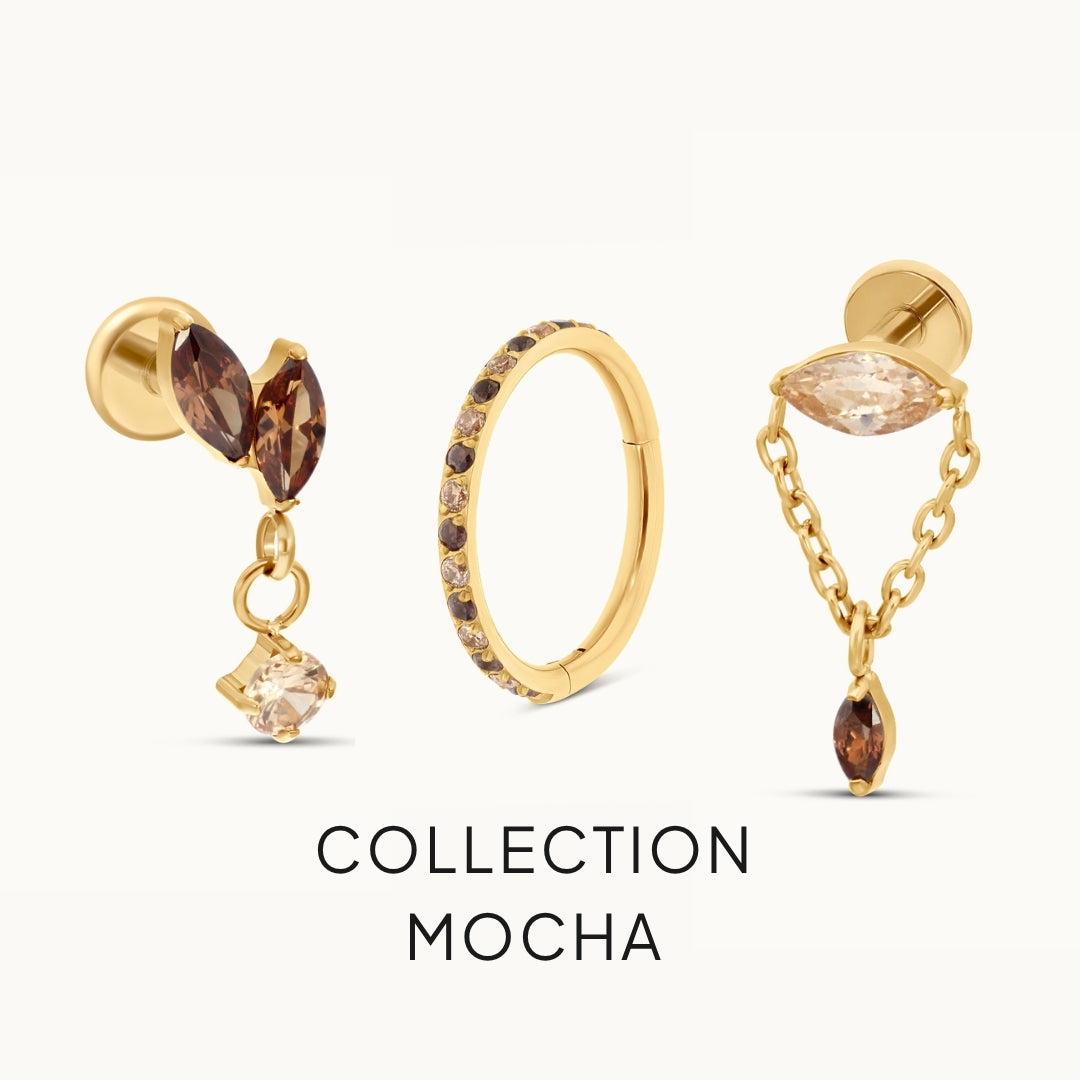
Remember, quality jewellery, like ASTM F-136 titanium, plays a crucial role in how well your piercing turns out. Ready to choose the perfect jewellery for your conch piercing? Discover our titanium piercing collection, designed for comfort and safety.