

Rook Piercing: Pain, Healing, Jewelry Types, and More
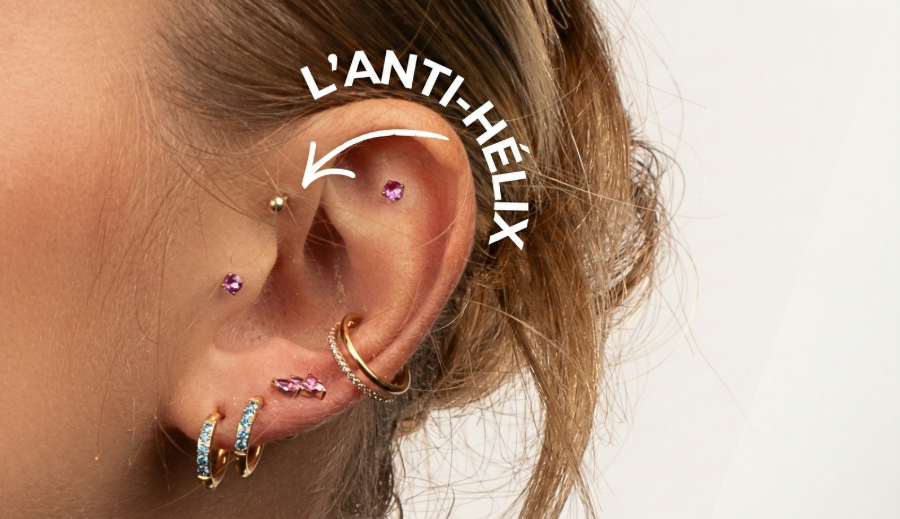
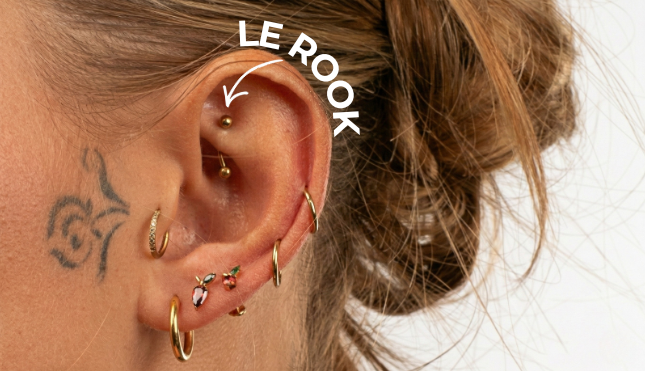
The rook piercing is one of the most original piercings you can get in the ear cartilage. It's certainly rarer than its cousins the conch, tragus, and helix piercings. This uncommon piercing sits on the fold of cartilage right opposite the anti-helix piercing, on the part of the helix (the tube running around the outer edge of your ear) closest to your face.
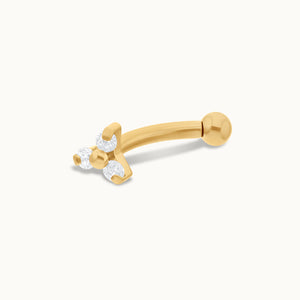
Before we get into the types of jewelry you can wear in your rook piercing, let's take some time to look at how the piercing is done, how much it hurts, how it heals, and our aftercare tips. So buckle up, because by the end of this article, you'll know everything there is to know about the rook piercing!
Table of Contents
Getting Ready for Your Rook Piercing
For a rook piercing, as with any other piercing, you'll need to choose your piercer carefully. Make sure the studio looks clean and follows proper hygiene standards. You don't need operating-room-level hygiene, but it's important that your piercer uses the right equipment and works in a clean environment to keep bacteria away and avoid the risk of infection.
As always, we can't say it enough: if you go for the cheapest option, you're likely to end up with a bad experience. Getting a piercing means giving your body a "wound" of sorts, so it's smarter to prioritize quality when making your choice.
You can then browse our rook piercing jewelry in 14/18 karat gold or ASTM F-136 grade titanium. All of our jewelry is guaranteed nickel-free and therefore hypoallergenic.
Rook Piercing Pain
The rook piercing passes through two layers of cartilage, which puts it right up there among the more painful ear piercings. As we always say, pain is subjective, and everyone experiences a piercing a little differently. That said, rest assured: the piercing itself is quick, and you'll simply feel a pinch in your ear, nothing you can't handle. A skilled piercer will know how to put you at ease so the experience goes as smoothly, and as comfortably, as possible.

Rook Piercing Healing
Like other ear cartilage piercings, the rook piercing takes a fairly long time to heal: expect 6 to 9 months, or more, for it to fully heal. Healing time varies from person to person, and depends on how closely you follow your aftercare routine.
Aftercare Guide
Because of where it sits, it's essential to take care of your rook piercing and follow proper aftercare to avoid complications like infections.
Always handle your new piercing with clean hands!
Clean your rook piercing 2 to 3 times a day with a saline solution. As with other ear cartilage piercings, it's important to stick to your aftercare routine until your piercer confirms it's no longer necessary. This keeps bacteria from getting into your healing piercing and helps prevent infection.
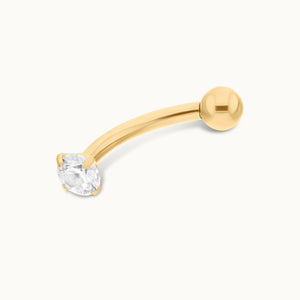
Don't play with your jewelry. You'll first be fitted with a curved barbell, since it's best to avoid a hoop as initial jewelry for safety reasons: it could damage healing tissue and increase your risk of infection or bumps. The only time you should move your jewelry during healing is while cleaning your piercing with a saline solution.
Watch out for earphones and hair. Wearing earphones could press against or catch on your piercing, which could damage healing tissue and delay healing, and could also cause other complications. Hair caught in your ear could snag on your jewelry, and pulling on it could also damage healing tissue and introduce bacteria.
Don't sleep on the ear you just had pierced. That's why we recommend against getting both ears pierced at the same time: for some people, sleeping on your back simply isn't an option, and sleeping on an ear you just had pierced could irritate your new piercing and complicate healing.
Avoid sand and pools. For healing to go smoothly and as quickly as possible, it's important to avoid exposing your rook piercing to bacteria. That means avoiding standing water like pools, and being careful not to get sand in your ears at the beach.

Which Jewelry for a Rook Piercing
For a rook piercing, we mainly offer two types of jewelry: the hoop and the curved barbell, also called a "banana." That said, as with most other piercings, you won't be able to wear a hoop as your initial jewelry: you'll need to wait at least 1 to 2 months first.
The curved barbell gives you a wide choice of screw-on tops, from a simple titanium ball to zirconia stones, natural stone, or opal, all the way to gold tops. With such a wide range to choose from, you're sure to find the piece that matches your style.
For a hoop, you'll want a fairly small diameter given where the rook sits. You could go for a classic gold or titanium hoop, or a hoop set with sparkling zirconia stones, like the Eternity hoop.
The curved barbell you're fitted with after your piercing will be long enough to allow for swelling during the initial healing phase. It'll typically be swapped for a better-fitting bar afterward, at a follow-up visit with your piercer.
It's also possible to wear a horseshoe with screw-on ends. As with the hoop, you'll want a small enough diameter for comfort. You can pair your rook piercing with studs or sparkling hoops. The choice of composition is entirely up to you, to highlight your ear the way you like.
Which Material Should You Choose:
Just like choosing your piercer, choosing the right material for your jewelry matters just as much. Not all materials are equal. Unlike regular jewelry, your body will react much more strongly to low-quality materials in a piercing.
- Gold: gold is one of the metals our piercers consider safe, based on fifteen years of experience. It can be used as initial jewelry with no risk of allergies. That said, it needs to be at least 14 karat, since 9 karat isn't pure enough and can contain nickel.
- Titanium: the go-to material for initial piercing jewelry, lighter and more durable than its counterpart, so-called "surgical" steel. This metal is recognized as biocompatible in its ASTM F-136 grade, which we offer in our online shop.
- Surgical Steel: so-called "surgical" steel isn't recommended as initial jewelry, since it contains a high proportion of nickel. That said, plenty of people consider it once the piercing has healed, thanks to its low cost. If you do want to go with this metal, make sure to choose ASTM F-138 grade to avoid complications. More than 10% of the population is allergic to nickel, but you don't need to be allergic to experience irritation if your jewelry contains it. This jewelry is also more fragile than gold or titanium.

What Jewelry Size
As mentioned above, the curved barbell used as your initial jewelry will be longer to allow for swelling, so you'll need a shorter one once healing is complete. To make things easier, we've put together a size guide with the standard sizes used by piercing professionals. Keep in mind that the right size can vary from person to person, since anatomy differs from one individual to another. It's worth discussing with your piercer when getting your piercing or at a follow-up visit, so they can advise you on the right size for your jewelry.
|
Jewelry |
Thickness |
Length/Diameter |
|
Rook - Curved Barbell |
1.2mm |
7/8mm |
|
Rook - Hoop |
1/1.2mm |
6mm |
Price of a Rook Piercing
In our studios in France, expect to pay between €40 and €60 for a rook piercing, usually the same price as other ear cartilage piercings. This price may include basic initial jewelry, depending on the studio. You may also find piercing studios where jewelry prices are high enough that the piercing itself is included for free.

Changing Your Rook Piercing Jewelry
It's important for healing to be complete before you risk changing your jewelry yourself. We strongly recommend having your first jewelry change done at a follow-up visit with your piercer. That said, if you feel your piercing is sufficiently healed, you can change your jewelry yourself, after thoroughly washing your hands. Don't forget to clean the area with a saline solution before and after.
We hope this complete guide has answered your questions about the rook piercing.
We'd love to hear about your experience in the comments below this article, or any concerns you might have about this popular piercing.
Don't forget, free delivery is available from €160. Discover our wide range of piercings (daith, helix, conch, lobe, nose, navel, and more) in our online shop.
If you'd like to reach us, feel free to contact us through our social media or our contact page.