

The 5 Mistakes to Avoid After a Rook Piercing
What Is a Rook Piercing?
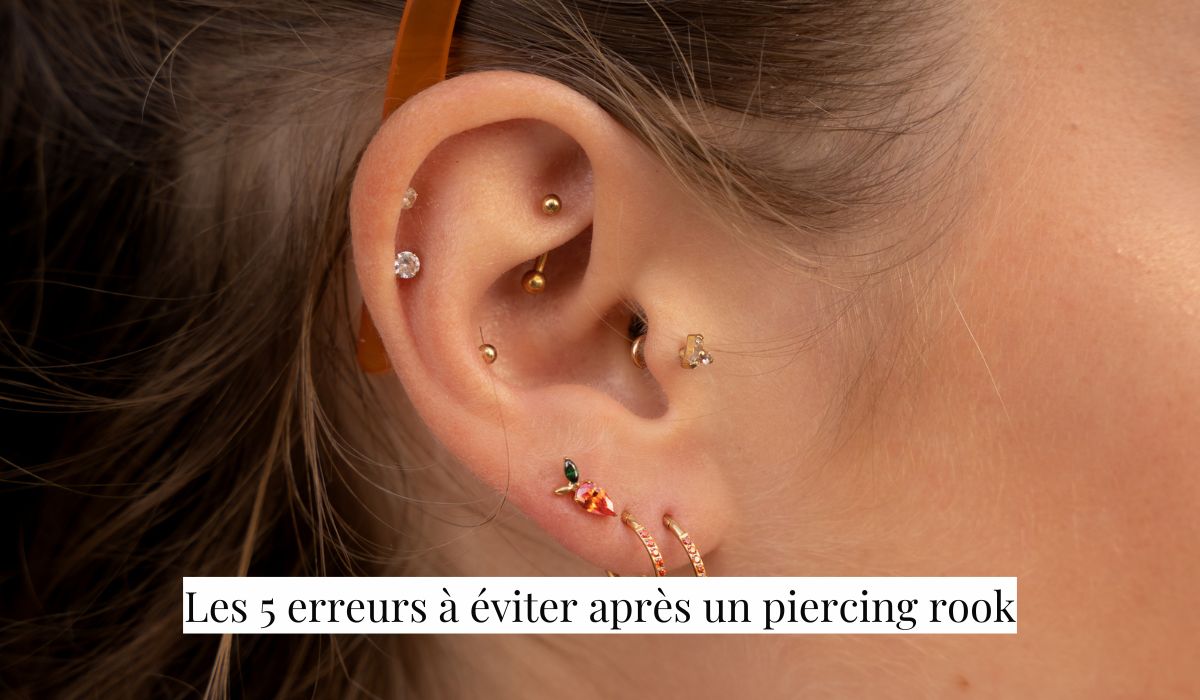
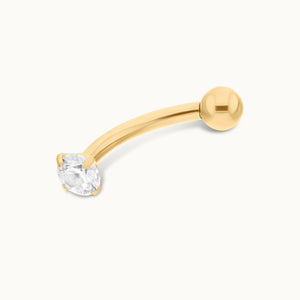
The rook piercing stands out for its placement. It sits on the inner ear cartilage, between the helix and the ear canal. It's a distinctive piercing that calls for real expertise to do properly, so it's important to go to a qualified piercer for this one. For a rook piercing, you can wear either a hoop or a curved barbell. Note that your first-fitting jewellery will always be a curved barbell. A hoop could irritate your new piercing and slow healing. Once healed, you'll be able to switch to a hoop. 
What's the Best Material for My Rook Piercing?
ASTM F-136 Titanium, the Perfect Choice
ASTM F-136 titanium is often recommended for rook piercings thanks to its biocompatibility. This material is hypoallergenic, meaning it's less likely to cause allergic reactions than other metals. Titanium is also lightweight, which reduces pressure on the piercing channel and supports better healing.
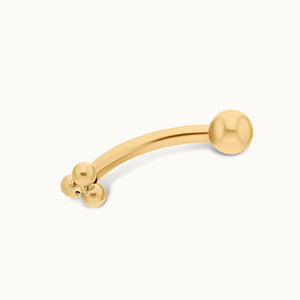
14k-18k Gold, for a Luxurious Look
Gold is also a great option for a rook piercing, but it's important to choose 14k or 18k gold to avoid allergic reactions. Gold plating or lower-quality gold can contain nickel, a metal that often triggers allergies. 14k-18k gold offers the ideal mix of luxury and safety for anyone who wants stylish, safe jewellery. 14k-18k gold piercing jewellery is biocompatible and highly resistant to corrosion.
How Do I Choose a Piercer for My Rook Piercing?
Look for Experience and Certifications
It's essential to choose an experienced, qualified piercer for your rook piercing. Look for a professional with recognised certifications and proper training. This ensures the piercer follows the hygiene and safety standards needed to help reduce the risk of infection.
Check Reviews and Recommendations
Ask around or check reviews online to find a piercer you can trust. Recommendations from people who've already had a rook piercing can be really useful for judging the quality of service.
Check Hygiene Standards
A good piercer follows strict hygiene rules. Make sure the piercer uses sterile needles, wears gloves, and that all equipment is disinfected before each use. A clean, well-kept studio is a good sign of a quality piercer.
Talk Through the Procedure
Before getting pierced, talk through the procedure with your piercer. Ask questions about healing, aftercare, and possible complications. A skilled piercer will take the time to explain each step and answer your questions, putting you at ease about the process.
To avoid problems and support good healing for your rook piercing, it's important to know which mistakes to avoid. Here are the 5 most common mistakes to steer clear of:
The 5 Common Mistakes to Avoid After a Rook Piercing
1. Not Cleaning the Rook Piercing Properly
Why Cleaning Matters
Regular cleaning is crucial to avoid infection. The pierced area is a direct entry point for bacteria.
Mistakes to Avoid
-
Using harsh products (such as alcohol or hydrogen peroxide).
-
Rubbing your piercing too hard while cleaning
-
Not sticking to the recommended frequency (twice a day).
Tips for Cleaning Your Rook Piercing Properly
Use a sterile saline solution and a sterile compress. Never touch your piercing with unwashed hands.
2. Constantly Touching Your Piercing
The Risks of Excessive Handling
Touching or playing with your piercing can introduce bacteria, leading to infection or irritation.
Why You Should Avoid Touching Your Rook Piercing
Your hands carry plenty of bacteria. That's why it's important to wash them thoroughly before touching your piercing (during cleaning). Be sure to clean: your palms, under your nails, and between your fingers.
3. Using the Wrong Products for Your Rook Piercing
Products to Avoid
Some people use antibiotic creams or products not recommended for piercings.
Why This Is a Problem
These products can be too harsh, causing irritation or blocking the airflow needed for good healing.
The Right Products to Use
Choose a sterile saline solution, specifically designed for piercing aftercare.
4. Changing Your Rook Jewellery Too Soon
The Consequences of Changing Jewellery Too Early
Changing the jewellery before healing is complete can cause trauma to the piercing channel and prolong healing. You may then need to restart aftercare if your piercing becomes irritated.
How Long Should I Wait to Change My Rook Piercing?
It's best to wait until your piercer confirms healing is complete before changing jewellery. Full healing for a rook piercing generally takes around 6 to 9 months or more, depending on aftercare. Don't hesitate to ask your trusted piercer how your rook piercing is healing.
What to Avoid
Never try to remove or change the jewellery yourself if you're not sure healing is complete.
5. Ignoring Signs of Infection
Symptoms to Watch For
Persistent redness, intense pain, yellow discharge or a bad smell are signs of a possible infection.
Why You Shouldn't Wait
An untreated infection can get worse and lead to serious complications, such as keloids or abscesses.
What to Do If You Notice Signs of Infection
If you notice signs of infection, see a piercing professional or a doctor without delay.
By avoiding these common mistakes, you can support faster, trouble-free healing for your rook piercing. Following aftercare instructions and staying alert to warning signs will help you make the most of your new jewellery. Patience is the key to a successful piercing!