



Faster Piercing Healing: Our Complete Guide
Healing quickly matters, since piercing healing can sometimes take a while. In this complete guide, we share all our essential tips and tricks to help your piercing heal quickly and without complications. These tips apply to every type of piercing, from body and facial piercings to ear piercings.
The First Steps to Successful Healing
Let's start with the single most important factor for supporting your piercing's healing: choosing a quality material.
Choosing the Ideal Jewelry for Healing
The jewelry you choose for your first piece really matters.
The Benefits of ASTM F-136 Titanium and 14k/18k Gold
ASTM F-136 titanium is known for its hypoallergenic properties and its compatibility with the human body, making it the ideal choice for your first piercing, while healing, and even after! ASTM F-136 titanium is well suited to everyday wear.
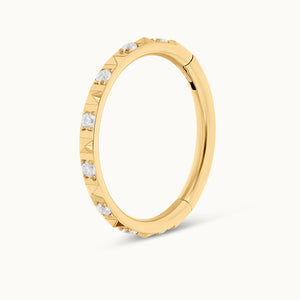
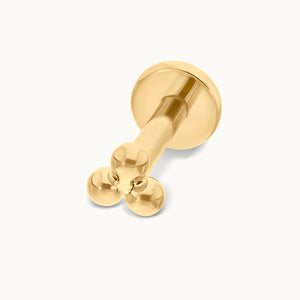
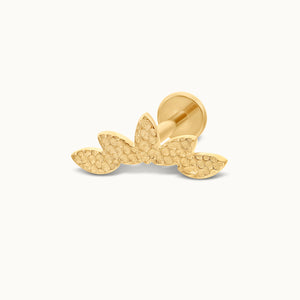
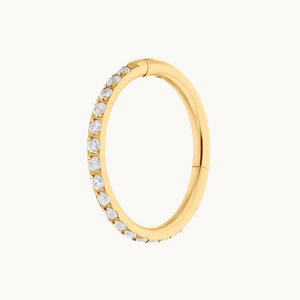
Likewise, 14k and 18k gold, thanks to its low reactivity, is an excellent option if you're after a little more shine without compromising on safety or comfort. It's essential to choose high-quality gold, to avoid alloys containing metals that could irritate the skin, which is exactly why we recommend 14k or 18k gold.
The Piercing Procedure: What You Need to Know
Your piercer's technique and experience play a huge role in how well your piercing heals. A skilled professional will use sterilised tools and follow strict hygiene procedures to minimise the risk of infection. Steer clear of piercers who use piercing guns. Don't hesitate to ask about their sterilisation process, and check reviews to find a reputable piercing studio.
Daily Habits for Optimal Healing
Your piercing's healing period calls for patience and careful attention. Building healthy daily habits is essential for fast, trouble-free healing. Here's how to build these habits into your routine.
Cleaning and Caring for Your Piercing
Regular cleaning is crucial for preventing infection and supporting faster healing. That said, over-cleaning can also cause problems.
Frequency and Recommended Products
- Frequency: gently clean your piercing twice a day, morning and evening. Cleaning more often than that can irritate the skin and disrupt your body's natural healing process. Keep up this twice-daily routine for at least 15 days.
- Recommended products: use a sterile saline solution to clean your piercing, applied with a sterile gauze pad. Avoid cotton wool, which can shed fibres and slow down healing.
- Products to avoid: don't use harsh products to clean your piercing, including alcohol-based products, antibacterial creams and antiseptics. These are too harsh for a healing piercing.
Habits to Avoid While Healing
Certain habits can slow down healing or raise the risk of irritation and inflammation. Here are the main ones to avoid:
- Don't remove the jewelry. Taking it out lets the hole start to close up. Only remove your jewelry if your piercer has told you to.
- Don't touch your piercing outside of your daily cleaning routine. Hands often carry bacteria and can spread infection.
- Don't sleep on your piercing: the pressure can slow down healing, and can also cause inflammation and irritation.
- Don't twist the jewelry in the piercing. This used to be common advice, but it can actually cause irritation and further damage. It's best to simply leave your piercing alone.
- Avoid scratching or removing crusting too early. It's a normal part of healing, and removing it can reopen the wound.
- Don't change the jewelry before the end of the recommended healing period without your piercer's advice. Changing it too early can introduce bacteria or damage the fragile healing tissue.
- Avoid baths, swimming pools and any prolonged water immersion, which can encourage inflammation and excess tissue growth.
- Avoid wearing tight clothing as much as possible while healing.
Extra Tips for Healing
Beyond direct aftercare, certain physical activities can also affect how your piercing heals.
Physical Activity and Healing: What You Need to Know
Exercise is essential for your overall health, but a few precautions are worth keeping in mind when it comes to healing a new piercing.
- Avoid intense activities that put direct strain on the pierced area. For example, with a new navel piercing, it might be worth skipping ab workouts for a while.
- Keep the area clean and dry. Exercise can lead to heavy sweating, creating a damp environment where bacteria thrive. After physical activity, carefully clean around your piercing with saline solution and a sterile gauze pad.
- Wear suitable clothing to avoid irritation. Loose-fitting clothes are best for avoiding friction and pressure on the piercing during exercise.
- Listen to your body. If you feel unusual pain or discomfort around your piercing during or after exercise, take it as a sign to slow down or adjust your workout routine.
Healing a piercing is a journey that takes care and consistency. By following these tips, you'll support the best possible healing. Discover our piercing jewelry collection today.