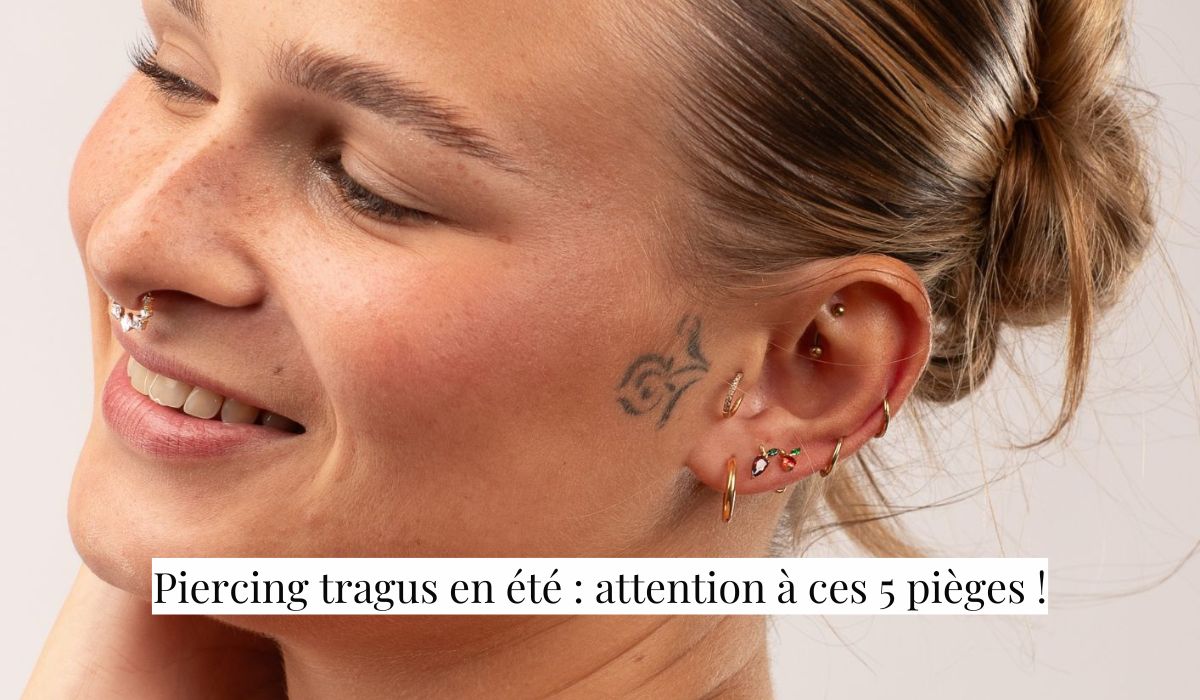


Mistakes to Avoid After a Rook Piercing
The rook piercing is winning over more and more fans with its discreet yet original placement, tucked into the inner ear cartilage. But like any cartilage piercing, it calls for care, patience and discipline. A few common mistakes can slow healing, cause irritation, or even lead to infection.
In this article, we walk you through the main mistakes to avoid after getting a rook piercing, and share the best practices to keep it looking good, healthy and comfortable.
Why does a rook piercing need special attention?
A sensitive spot
The rook piercing goes through a thick fold of cartilage, which makes its healing more complex than a lobe piercing. It's exposed to friction (earbuds, hair, pillows), pressure and the occasional knock.
Slower healing
On average, a rook takes 6 to 9 months or more to heal completely. It's crucial to take care of it throughout this whole period to avoid complications, even once the pain disappears after a few weeks.
Mistake 1: Touching your piercing with unwashed hands
A bad habit for your rook piercing
Just got your rook pierced, and sometimes feeling a bit of tingling or mild discomfort? Reaching to touch it is only human, but it's a common and risky mistake. Our hands carry bacteria that can cause a local infection.
What to do instead:
- Wash your hands thoroughly with soap and water before any contact.
- Don't handle your piercing unnecessarily.
- Don't try to "rotate" the jewelry: this isn't a lobe piercing, and moving it doesn't speed up healing. Quite the opposite.
Mistake 2: Sleeping on your rook piercing
Pressure: the enemy of healing
Pierced cartilage is sensitive to prolonged pressure, especially while you sleep. Sleeping on the pierced side can:
- Cause swelling
- Slow healing
- Lead to chronic pain
- Or even encourage a keloid or rejection.
Our tips for your rook piercing
- For the first few weeks (or months), sleep on your back or on the other side.
- Use a donut-shaped pillow or a U-shaped travel pillow to let your ear rest without contact.
Mistake 3: Changing your piercing jewelry too early
A common timing mistake
Changing your jewelry as soon as the pain fades is a very common mistake. The problem? The outside may look healed, but the inside is still fragile.
What it can cause
- Sudden inflammation
- The channel reopening
- Jewelry rejection or an abscess
- Persistent, intense pain
The right approach for your rook
- Wait at least 6 months before any change, and ideally 12 months for extra safety.
- Have the first change done by a professional piercer, who will check that healing is complete.
- Choose ASTM F-136 titanium jewelry, even after healing: it's a lightweight, hypoallergenic, nickel-free material used in surgery.
Mistake 4: Using unsuitable jewelry
Costume jewelry = danger
Low-grade metal jewelry (often sold in non-specialist stores) can contain:
- Nickel (highly allergenic),
- Heavy alloys
- Irritating surface treatments.
These materials very often cause redness, itching, rejection or chronic inflammation.
The right choice
ASTM F-136 titanium is the medical standard used for surgical implants. It's biocompatible, corrosion-resistant, nickel-free, and ideal for sensitive skin.
It's recommended from the first fitting and remains an excellent option even after healing.
Mistake 5: Neglecting aftercare
Healing doesn't happen on its own
Many people stop aftercare after 2 or 3 weeks, thinking the piercing has healed.
In reality, the skin may look closed on the surface while the channel underneath is still unstable.
Recommended aftercare
- Daily cleaning (once or twice a day) with a sterile saline solution.
- Use a sterile gauze pad
- No alcohol, no hydrogen peroxide, no antiseptic solutions (too harsh for daily use).
- Avoid baths, spas, steam rooms and chlorinated pools for the first few weeks. Don't change your routine without a professional's advice.
Bonus: other common mistakes to avoid
- Using in-ear earbuds that press on the pierced area.
- Applying essential oils or creams to the piercing (unless medically advised). Cleaning with cotton (risk of fibers getting into the wound).
- Wearing headphones or tight headbands.
- Forgetting to see someone if you notice persistent pain, yellow or greenish discharge, or unusual swelling.
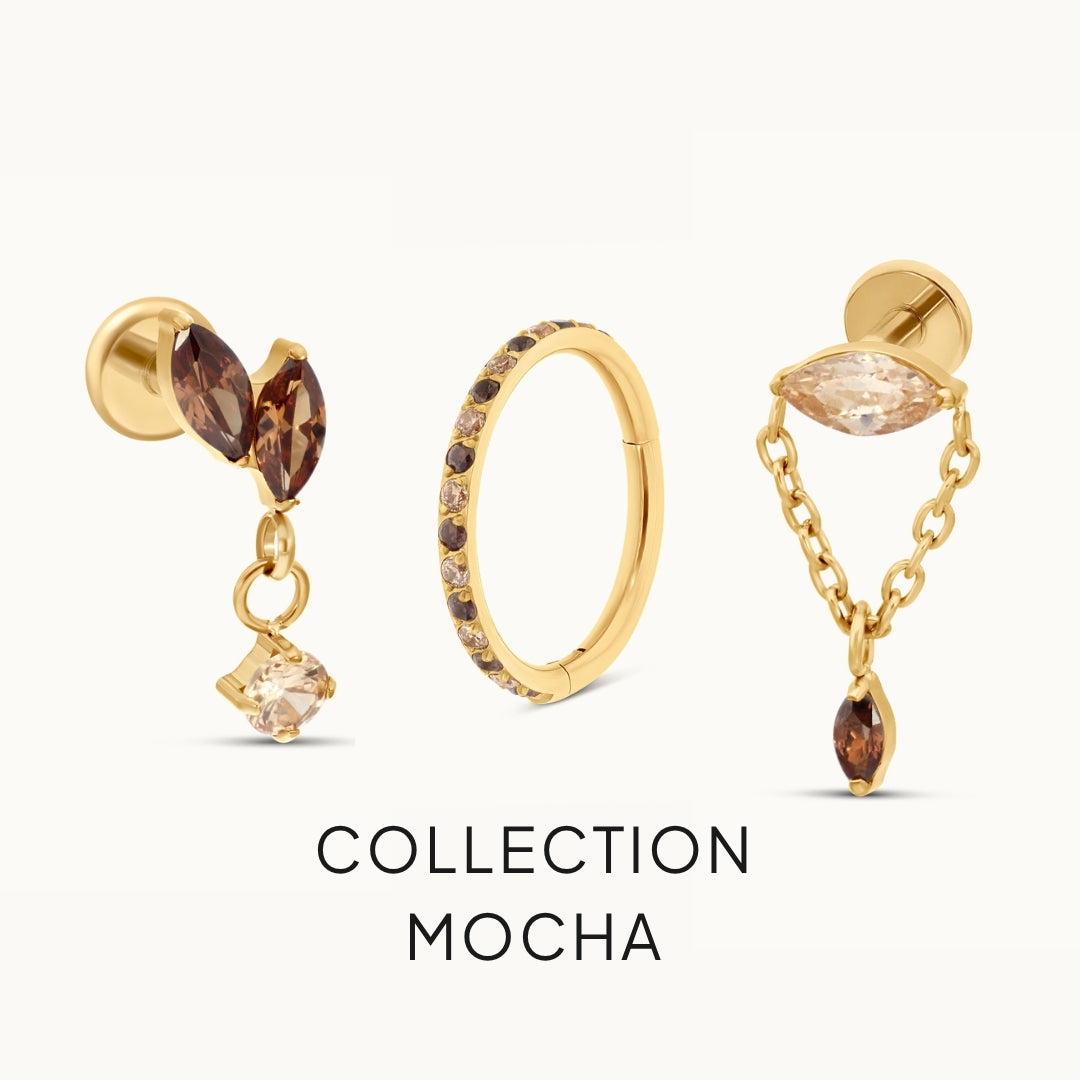
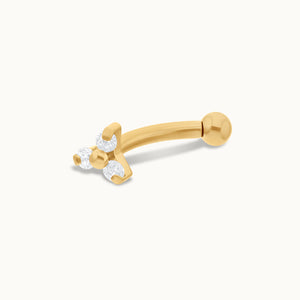
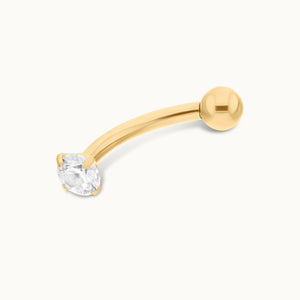
A well cared-for rook piercing stays good-looking and durable. To ensure smooth healing: respect the timelines, even if they feel long. Choose quality jewelry, especially ASTM F-136 titanium. Avoid unnecessary handling and prolonged contact. Discover our collection of rook piercing jewelry in biocompatible titanium, chosen for their comfort and their looks.