




Conch Piercing in Summer: Tips to Avoid Irritation and Infection
Summer is the season of relaxed looks, hair pulled up, and jewelry on full display. Among them, the conch piercing stands out as a must-have trend for showing off the ear. But watch out: heat, sand, sweat or swimming can quickly turn this lovely piercing into a source of irritation, or even infection.
If you've recently had a conch piercing done, or you're thinking about getting one before summer, this article walks you through the right habits, step by step, for a hassle-free holiday. Here are our tips for protecting your ear, choosing the right jewelry (especially ASTM F-136 titanium), and avoiding the most common mistakes.
The conch piercing: a trendy piece, but a sensitive one in summer
Why is the conch especially exposed in summer?
The conch piercing sits at the center of the ear cartilage, an area with limited blood flow, so it's slower to heal. In summer, this spot takes a real beating: rubbing from towels, exposure to sand, wind and sun, and frequent contact with irritating products (creams, sun oils, acidic sweat).
The result: even with a perfectly done piercing, the risk of inflammation goes up because of the summer environment.
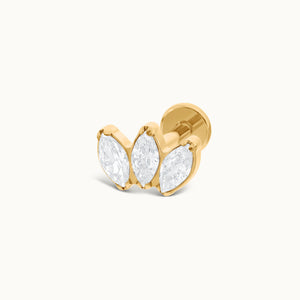
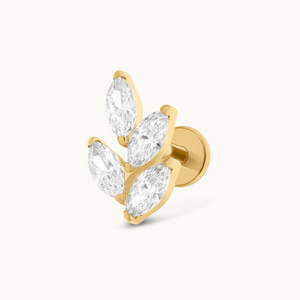
How long does a conch take to heal?
On average, a conch piercing takes 6 to 9 months or more to heal completely. This depends on several factors: your skin type, aftercare, the quality of the starter jewelry, and of course, outside conditions.
ASTM F-136 titanium jewelry, the kind used for professional first fittings, dramatically reduces the risk of allergic reaction or rejection. This hypoallergenic, nickel-free material is perfectly tolerated by the body, even in hot weather.
Mistakes to avoid during summer
Swimming in the sea or pool too soon
Sea water, despite its natural benefits, contains bacteria that can easily get into a piercing that hasn't healed yet. As for the pool, chlorine is a well-known irritant for fragile tissue.
It's best to wait at least 6 weeks after getting your conch piercing before swimming. And even after that, rinse with clean water after every swim.
Exposing your conch piercing to direct sun
In summer, the sun can quickly turn metal jewelry into a real heat source. A hoop heated by UV rays can cause burns or make existing inflammation worse. Protect your ear with a hat or some shade, especially in the first few weeks after getting pierced.
Neglecting hygiene after a day outdoors
Between sand, sweat and city pollution, your piercing goes through a lot. If you don't clean the area properly in the evening, residue can build up and cause chronic irritation.
A simple evening cleaning routine can make all the difference for keeping your conch healthy.
Our tips for protecting your conch on holiday
Choosing the right first-fitting jewelry
It all starts with choosing the right jewelry. The material is essential:
- ASTM F-136 titanium: hypoallergenic, nickel-free, lightweight and safe even in the heat
- Low-grade steel, gold-plated or costume jewelry: to be avoided for a first fitting
Choose a straight labret, which avoids friction and stays firmly in place. Hoops, while very stylish, are only recommended after complete healing.
Cleaning your conch piercing, even on the go
Don't hesitate to pack saline solution and sterile gauze pads in your bag when you're out and about. If your piercing isn't recent and you want to swim, clean your conch piercing and dry it well after your swim.
If your piercing is fresh, you need to clean it twice a day for three weeks.
Simple habits to limit friction
- A few daily habits to adopt:
- Tie your hair back so it doesn't stick to or catch on the jewelry
- Avoid overly firm pillows or sleeping on the pierced side
- Skip closed-back headphones, which apply constant pressure on the ear
- Dry your ear gently after showering, without rubbing
What to do if you notice irritation or a mild infection?
Signs to watch for
- Persistent, intense redness
- Localized swelling or warmth
- Yellowish discharge
- Throbbing or shooting pain
These symptoms suggest irritation or the start of an infection. It's best to act quickly.
Acting fast: first steps
Clean gently with a saline solution. Don't touch the jewelry unnecessarily. Don't apply any product that isn't recommended (alcohol-based products, antiseptic solutions, and so on).
If things get worse, see a professional piercer or a doctor quickly. Never remove the jewelry yourself: this risks closing the opening and trapping the infection inside.
Taking care of your conch means enjoying summer safely. A conch piercing is a piece that shows off your ear and adds style to your summer look. But to keep it enjoyable, it deserves attention and care, especially under the sun. By choosing ASTM F-136 titanium, respecting healing times and following a simple aftercare routine, you give yourself every chance of avoiding irritation and infection.

