

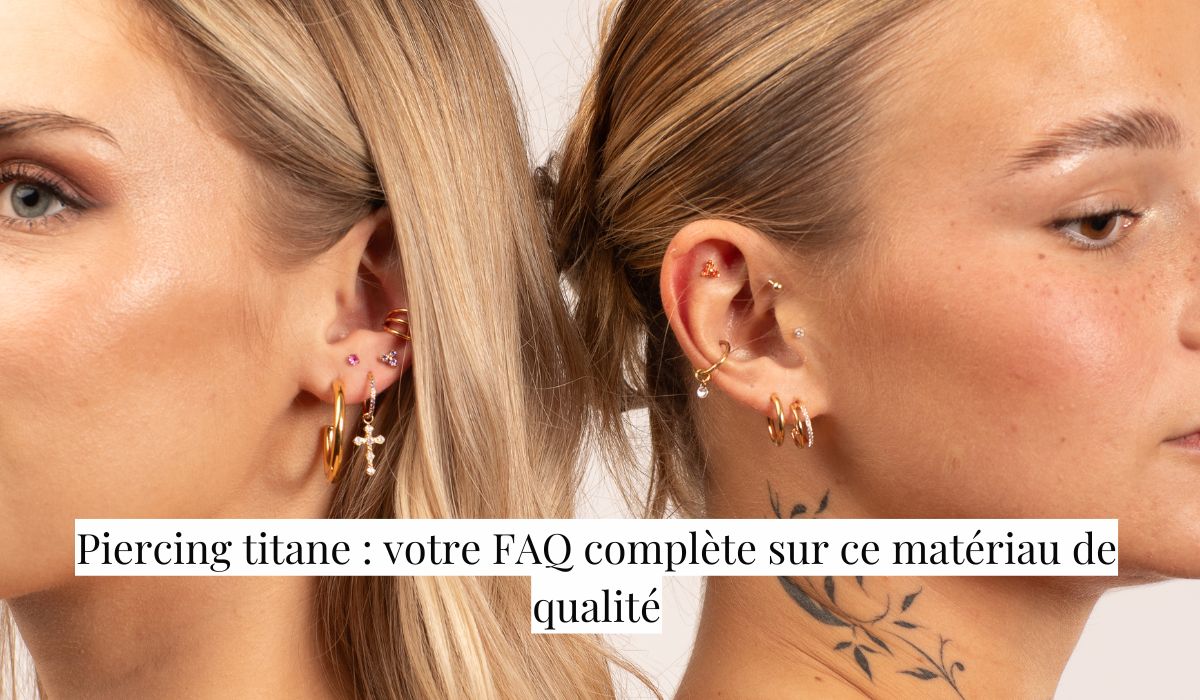
Titanium Piercings: Your Complete FAQ on This Quality Material
Titanium is now one of the most recommended materials for piercings. Hypoallergenic, lightweight and extremely durable, it's favored by professionals for how well it's tolerated by the human body. But what exactly is titanium? Why is it so often recommended for first piercings? How do you recognize genuine titanium jewelry, and how do you care for it? In this complete FAQ, we answer all your questions to help you make an informed choice.
Complete FAQ on titanium piercings
What is ASTM F-136 titanium?
ASTM F-136 titanium is a medical-grade titanium alloy, the same grade used in surgical and implant applications. It meets a strict international standard (ASTM F-136) that guarantees its purity, strength and, above all, its biocompatibility with the human body. In practice, that means it doesn't cause allergic reactions, contains no free nickel, and can stay in prolonged contact with skin or tissue without risk.
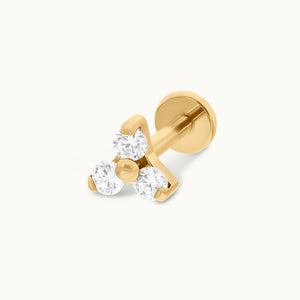
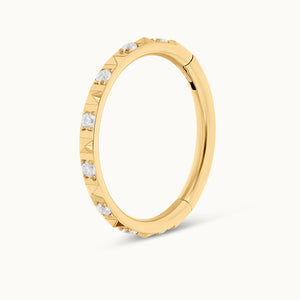
It's often compared to G23 titanium, which is also used in piercing jewelry. The main difference lies in certification: ASTM F-136 titanium is generally preferred for first fittings because it's held to even stricter controls.
It also shouldn't be confused with anodized titanium, which is titanium whose color has been altered through a surface treatment. Anodizing is safe as long as it's applied to ASTM F-136 grade titanium, but it can be a problem when used on lower-quality alloys.
Choosing ASTM F-136 titanium jewelry means choosing maximum safety and comfort, especially during healing.
Why is titanium recommended for a first piercing?
- Hypoallergenic properties
- Corrosion resistance
-
Supports better healing
- Ideal for first-fitting jewelry
- Very lightweight
Is titanium really hypoallergenic?
Yes, titanium is considered one of the most hypoallergenic materials available. Unlike other metals such as 304 steel, silver or gold plating, it contains no free nickel, making it a safe option even for people with very sensitive skin or a history of allergic reactions.
To date, no confirmed titanium allergy has been documented. That's why it's so often recommended for first piercings, when the skin is more vulnerable and needs contact with a material the human body tolerates perfectly.
What's the difference between titanium and surgical steel?
ASTM F-136 titanium is a titanium alloy known for its biocompatibility, corrosion resistance, and complete absence of free nickel. It's suited to every type of piercing, including first fittings, since it minimizes the risk of rejection, infection or allergy.
Surgical steel, on the other hand, although used in jewelry, generally contains nickel. Only 316L steel (also called "surgical steel") is tolerable for already-healed lobes, but it's strongly discouraged for piercings that are still healing.
In short: for maximum safety and comfort, ASTM F-136 titanium is recommended. 316L steel can be an alternative only in very specific cases, on healed, non-sensitive, non-cartilage areas.
Can you wear titanium jewelry all the time (sea, sport, shower)?
Yes, titanium is perfectly suited to everyday wear, even in extreme conditions. Thanks to its natural resistance to moisture, salt, sweat and chlorine, it doesn't degrade from contact with water or intense physical activity. Whether you're at the pool, the gym or the beach, your titanium jewelry will keep its shine and strength.
That's one of the material's biggest advantages: it doesn't rust, doesn't tarnish, and needs no special care after exposure to water. So you can wear your titanium piercing freely, with total peace of mind.
Can titanium change color or oxidize?
Titanium, whether raw or PVD Gold, doesn't change color over time. It doesn't rust, doesn't tarnish and doesn't oxidize, even when exposed to water, sweat or air. That's one of the reasons it's so popular in body jewelry.
How do you know if your jewelry is genuinely titanium?
It's not always easy to tell if jewelry is genuinely titanium, since some unscrupulous sellers use the term loosely. Here are a few tips to make sure your jewelry is the real deal:
- Check the source: favor specialist piercing jewelry retailers. ASTM F-136 titanium jewelry should be clearly labeled as such.
- Be wary of prices that seem too low: medical-grade titanium is more expensive to produce. A very low price is often a sign of a lower-quality material or an uncertified alloy.
Is titanium more expensive than other materials?
Yes, titanium, especially when it's ASTM F-136 certified, is generally more expensive than other materials like surgical steel or some cheaper alloys. This higher price reflects the material's purity, its manufacturing under strict medical standards, and its many qualities: hypoallergenic, highly durable, lightweight and long-lasting.
But this initial cost is quickly offset by how long the jewelry lasts. Unlike other metals that can wear out, rust, or cause irritation, titanium jewelry keeps its look and comfort for years. It's a genuine long-term investment, for both your health and your style.
Does titanium work well after healing too?
Absolutely. Titanium isn't just for the healing phase: it remains an excellent choice for the long term, even once the piercing is fully healed. Thanks to its lightness, corrosion resistance and stability, it's perfectly suited to everyday wear, with no risk of irritation or warping.
Once healed, you can also move to a more elaborate titanium piece, since titanium piercing jewelry comes in a wide range of designs.
What types of jewelry are available in titanium?
Titanium jewelry comes in a wide variety of shapes and styles to suit every part of the body. You'll find, among others:
- Labrets: perfect for helix, tragus, lobe, lip piercings and more. Hoops: ideal for the nose, septum, helix or conch.
- Barbells: often used for tongue, nipple or industrial piercings.
- Hoops: very easy to fit, especially for septum or daith piercings.
Once healed, you'll be able to wear hoop jewelry for a helix, tragus or conch ear piercing.
Bonus: how to care for your titanium jewelry?
One of titanium's many advantages is that it needs very little upkeep. Still, to keep your jewelry looking clean and bright, here are a few simple habits to adopt:
- Clean your jewelry regularly with lukewarm water and a mild soap, especially after time in the sea, the pool, or a workout.
- Avoid harsh products like alcohol, hydrogen peroxide or abrasive solutions, which aren't necessary with titanium and could damage anodized finishes.
- Dry your jewelry carefully with a clean, soft cloth to avoid any trace of moisture, especially around threads or screw-in parts.
Following these simple tips will keep your titanium jewelry looking new and hypoallergenic for a long time.
Titanium is now the go-to material for piercings that are safe, durable and good-looking. Whether you have sensitive skin or you're after quality jewelry to match your style, titanium jewelry checks every box. Discover our selection of titanium jewelry in ASTM F-136 for every type of piercing.