

Daith Piercing: Complete FAQ Before You Take the Plunge
Daith piercings have become one of the most stylish ways to add originality to your ear. This small, discreet piece of jewelry, tucked inside the cartilage, keeps winning over more and more fans thanks to its unique look.
Many people wonder about daith piercings: does it hurt? What does it mean? Can it help with migraines?
In this guide, we answer all your questions: we explain exactly what a daith piercing is, why it's trending, and we walk you through a complete FAQ with practical advice for choosing your jewelry and caring for it.
What is a daith piercing?
Where exactly is it pierced?
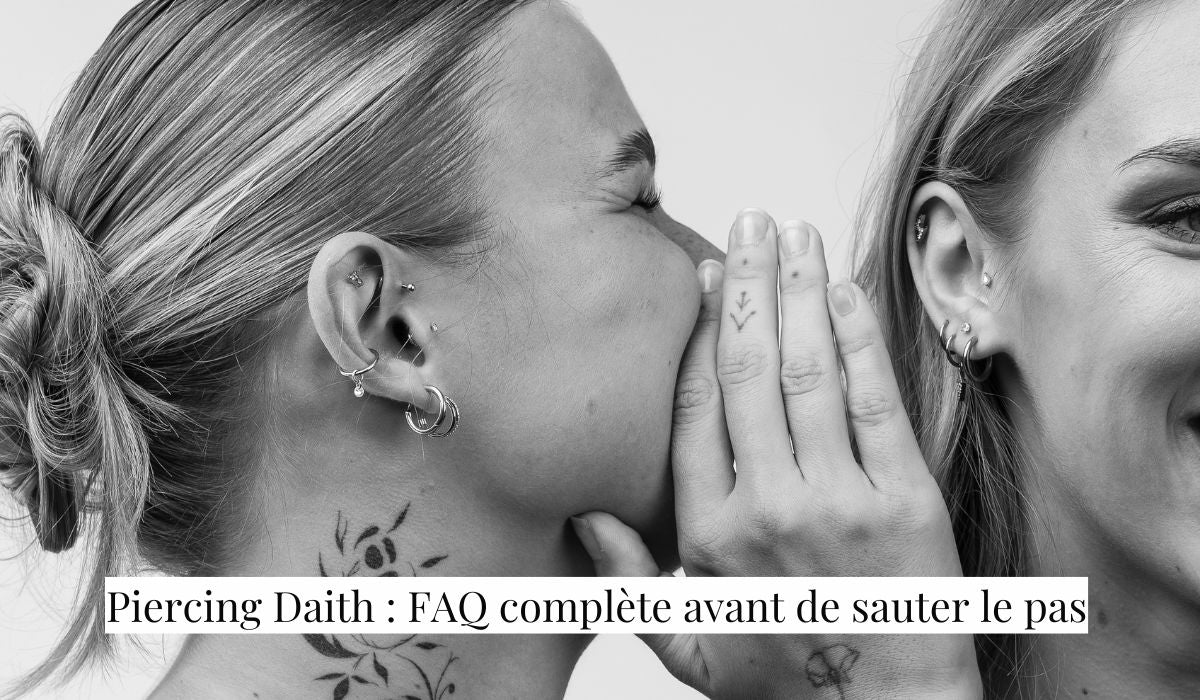
The daith piercing passes through the inner fold of ear cartilage, just above the ear canal. It's a hard-to-reach spot, which makes it a technical piercing that should only be done by an experienced professional.
Because of its location, it isn't suited to every anatomy, which is why a consultation with a qualified piercer beforehand matters.
Why is this piercing trending?
The daith piercing has grown popular for several reasons:
- Minimalist look: tucked inside the ear, it stays discreet while adding an original touch.
- An assumed link to migraines: some people say it may help relieve migraines, although this idea isn't backed by any scientific evidence.
- Easy to combine into an ear composition: it pairs harmoniously with other piercings like the tragus, conch or helix for a trend-forward look.
FAQ – Everything to know about daith piercings
Does a daith piercing hurt?
Pain is subjective, but since the daith piercing goes through cartilage, it can feel slightly more intense than a lobe piercing. That said, the sensation is brief, and an experienced professional will know how to put you at ease.
How long does a daith piercing take to heal?
A daith piercing typically takes 6 to 9 months or more to heal. It's important to follow the aftercare routine and avoid changing the jewelry too early, so you don't slow down the process.
Which jewelry should you choose for a daith?
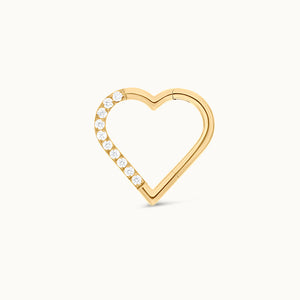
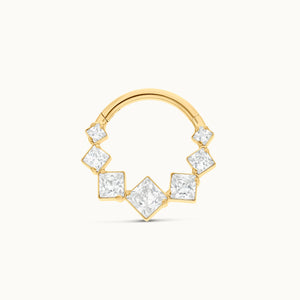
The most common jewelry for a daith is a hoop. It follows the natural shape of the cartilage while giving a harmonious, polished look.
Can you wear a hoop from the very first fitting?
Yes, the daith is one of the rare ear piercings where a hoop can be fitted at the first session, if your anatomy allows it.
What aftercare should you do day to day?
Clean your piercing once or twice a day with a sterile saline solution. Avoid harsh products like alcohol or essential oils, and don't touch your piercing with unwashed hands.
Can you sleep on your daith piercing?
It's strongly advised not to sleep on the pierced side for the first few weeks. This can irritate the area, slow healing and cause pain or inflammation.
Can this piercing help with migraines?
Some people report feeling relief after getting a daith piercing, an effect sometimes linked to acupressure. However, no solid scientific study proves it's effective against migraines.
What's the average price of a daith piercing?
The price of a daith piercing depends on the studio and the quality of the jewelry. Expect to pay roughly €40 to €80 across piercing studios, not including the price of the piercing jewelry itself.
Which material should you choose to avoid complications?
To avoid allergies and support optimal healing, choose jewelry made from ASTM F-136 titanium, a hypoallergenic, biocompatible material. It's lightweight, durable and perfectly suited to sensitive skin.
The daith piercing is an excellent choice if you want to combine originality, discretion and elegance. Its unique placement lets you build stylish ear compositions while staying subtle. That said, like any piercing, it calls for rigorous hygiene and careful follow-up to heal properly.
Choosing the right jewelry is essential: pick a quality piece, ideally ASTM F-136 titanium, to avoid any allergic reaction and maximize everyday comfort. And above all, always turn to a qualified professional to ensure a safe technique suited to your anatomy. Take the time to inform yourself, ask your piercer questions, and choose jewelry that respects your body.
Discover our ASTM F-136 titanium jewelry for daith piercings: comfort, safety and style, all in one.