

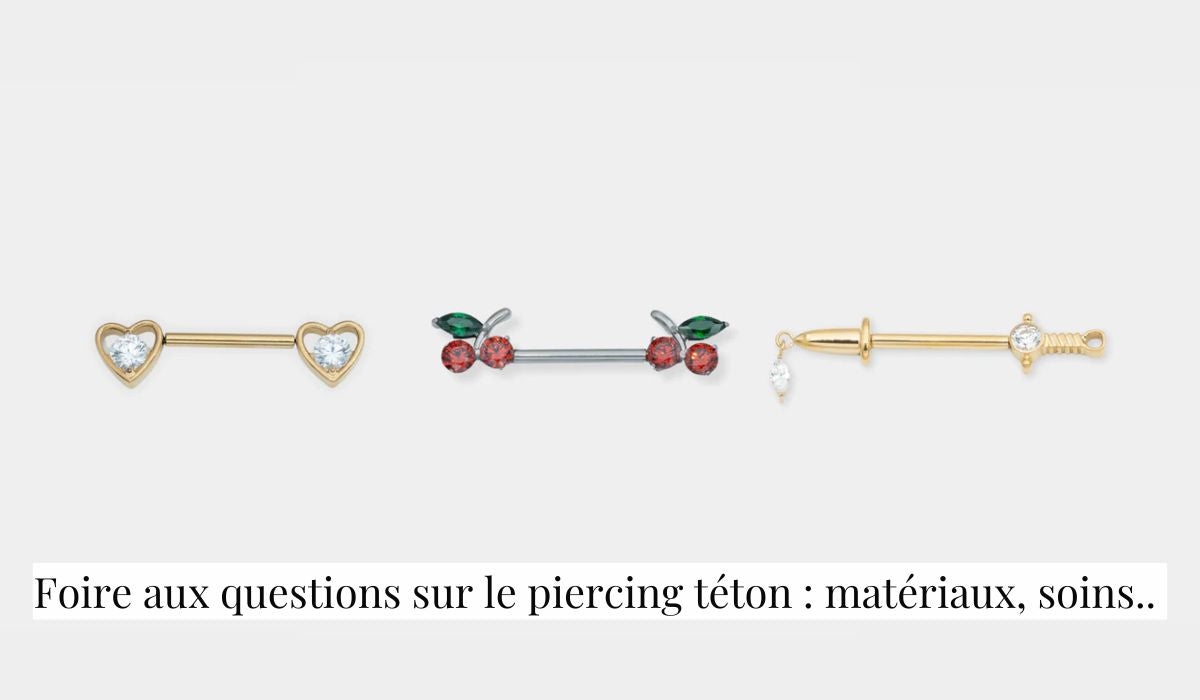
Nipple Piercing FAQ: Materials and Aftercare
Nipple piercings are hugely popular, worn by both men and women. This type of piercing calls for special attention, both in choosing the jewellery and in aftercare, to support safe, effective healing. Using high-quality materials such as ASTM F-136 titanium is essential to help minimise the risk of inflammation, irritation or infection.
ASTM F-136 Titanium: The Best Material for Nipple Piercings
Why Choose ASTM F-136 Titanium for Your Piercing?
ASTM F-136 titanium is known for its exceptional properties, especially for piercings. Wearing ASTM F-136 titanium jewellery for your nipple piercings is an excellent choice.
This material is highly biocompatible, meaning it carries no risk of allergic reaction and is compatible with the human body, making it ideal for piercings, particularly in sensitive areas like the nipples.
Beyond its biocompatibility, ASTM F-136 titanium is extremely resistant to corrosion, keeping the jewellery intact even when exposed to moisture or sweat. This corrosion resistance supports the healing of your nipple piercings.
FAQ: Answers to Common Questions About Nipple Piercings
Does a Nipple Piercing Hurt?
The pain felt during a nipple piercing can vary a lot from person to person. Generally, expect a sharp sensation at the moment of piercing. Factors that can affect the pain include individual sensitivity, the piercer's experience and the technique used.
How Long Does a Nipple Piercing Take to Heal?
Nipple piercings generally take 6 to 9 months or more to heal for women, and around 3 to 4 months or more for men. This timeline depends on your aftercare, general health and lifestyle. Regular care supports the healing process.
What Aftercare Is Recommended?
Aftercare is fairly simple. Clean your nipple piercings twice a day for three weeks.
To clean them, you'll need saline solution and a sterile compress. Nipple piercings should be cleaned gently, as this is a very sensitive area. Wash your hands before every cleaning (palms, between fingers, under the nails). Avoid touching or turning the jewellery unless necessary, and make sure your clothing doesn't irritate the piercing.
How Can I Tell If My Nipple Piercing Is Infected?
Signs of infection include persistent redness, swelling, a feeling of heat, yellow or green discharge, and increased pain around the piercing. If you suspect an infection, see a healthcare professional or book a check-up with a piercer you trust.
Can I Go Swimming After Getting a Nipple Piercing?
We recommend avoiding swimming, saunas, steam rooms, hot tubs or pools until the piercing has fully healed, to help avoid the risk of infection and inflammation.
How Often Should I Change My Nipple Piercing Jewellery?
We recommend not changing the initial jewellery until the piercing has fully healed, generally around 6 to 9 months or more for women and 3 to 4 months or more for men. Make sure to choose high-quality jewellery suited to healing right from the start.
Can I Breastfeed If I Have Nipple Piercings?
Breastfeeding with a nipple piercing is generally possible, but it does call for some precautions. We recommend removing the jewellery while breastfeeding, to avoid any choking or injury risk for the baby and to help minimise the risk of blocked milk ducts. If you have nipple piercings and are planning to breastfeed, talk to a healthcare professional.
How Do I Choose the Right Jewellery Style for a First Nipple Piercing?
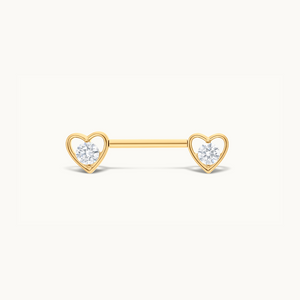
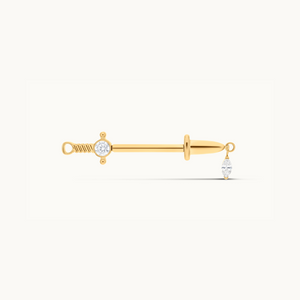
For a first piercing, go for straight barbells in ASTM F-136 titanium or 14k-18k gold. These materials are safe, durable and support the healing process. Make sure the jewellery is the right size to avoid any pressure or irritation. Feel free to ask your trusted piercer for advice.
What Should I Wear If I Have Nipple Piercings?
If you have nipple piercings, it's best to wear clothing that supports good healing. Choose tops in soft, breathable fabrics like cotton, and opt for loose clothing to avoid pressure and friction on the piercings.
For women, a soft, wireless bra or a sports bra can offer comfortable support. Avoid synthetic fabrics, which can trap moisture, and clothing with rough interior decoration, as these can irritate the piercings and extend healing time. In short, it's important to feel comfortable in your clothes and choose fabrics that don't press on your nipple piercings.
Can I Sleep on My Nipple Piercings?
We recommend against sleeping directly on your nipple piercings. This can put pressure on them and cause irritation, potentially extending healing time. To reduce the risk, try sleeping on your back. Women can also wear a soft bandeau overnight, which can help stabilise the piercings and reduce movement. These precautions will help your nipple piercings heal faster and more comfortably. Don't hesitate to ask your piercer for advice.
Can I Exercise After Getting a Nipple Piercing?
After getting a nipple piercing, it's a good idea to take some precautions before returning to sport, to avoid irritating the new piercing and disrupting healing.
We recommend avoiding intense physical activity for the first few weeks after piercing. When you do return to sport, wear a well-fitted sports bra or bandeau to minimise movement of the piercing, and choose soft, breathable fabrics to reduce pressure and irritation. It's also important to keep hygiene strict, cleaning the piercing right after exercise to remove sweat and bacteria and help reduce the risk of infection.
Go ahead and express your individuality with nipple piercings. Just remember to choose piercing jewellery that respects your body, especially in a sensitive area like the nipples. Be sure to follow your piercer's recommendations closely and seek advice if you have any doubts or complications. Discover our nipple piercing collection today.