

5 Tips to Speed Up Healing for Your Conch Piercing
The conch piercing is one of the most popular choices for ear jewellery lovers. That said, healing can take a while and needs some care and attention. In this article, we'll walk you through the best material to use for your conch piercing, and share five effective tips to help speed up healing.
Where Is the Conch Piercing Located?
Where Does a Conch Piercing Sit?
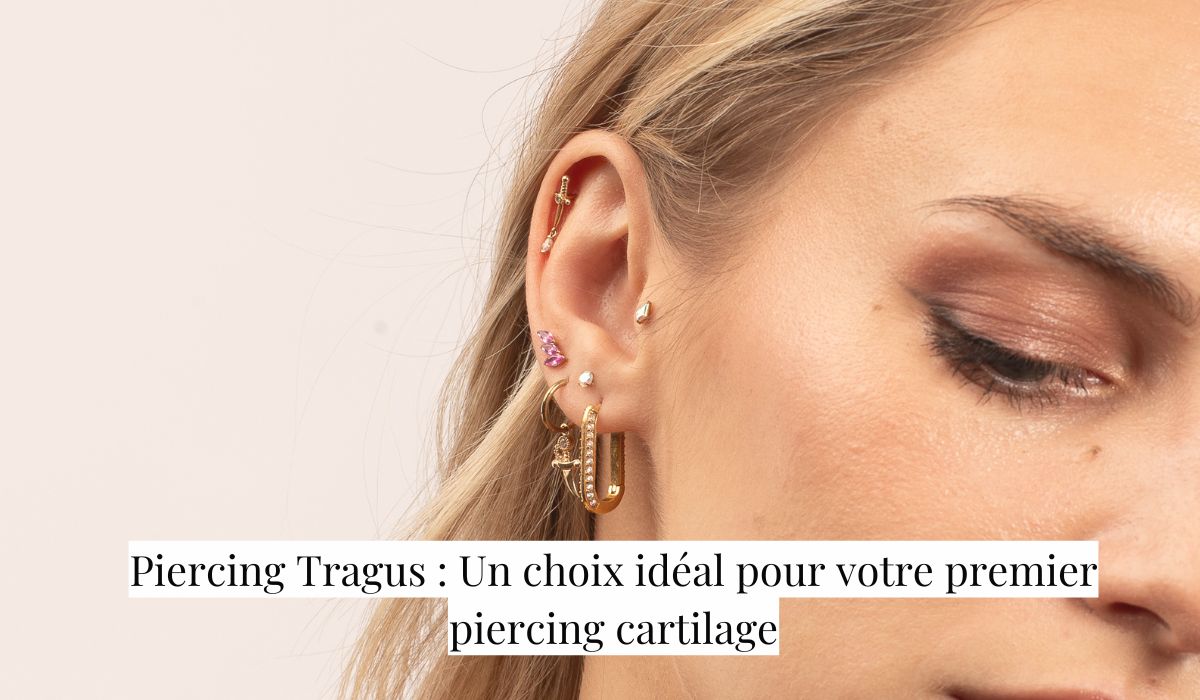
The conch piercing sits in the central part of the ear cartilage, known as the conch. This placement works with a wide range of jewellery and styles, from hoops to straight barbells. Note that your first-fitting jewellery will be a labret-style stud. Once healing is complete, you can wear a hoop for your conch.
Why Choose a Conch Piercing?
The conch is a great choice for anyone after a look that's both bold and versatile. Sitting in the centre of the ear, it draws the eye while staying understated. What's more, this placement gives you huge freedom with jewellery styles, letting you personalise your look to your taste.

Pain and the Conch Piercing
How Painful Is It?
The conch piercing is often described as moderately painful, due to piercing through cartilage. Pain varies from person to person, depending on individual tolerance and the piercer's skill. Generally, the pain during piercing only lasts a few seconds.
How Do You Manage Conch Piercing Pain?
After the procedure, it's normal to feel some pain or tenderness for a few days.
The Best Material for a Conch Piercing: ASTM F-136 Titanium
Why Choose ASTM F-136 Titanium for an Ear Piercing?
ASTM F-136 titanium is considered one of the best materials for a conch piercing, thanks to a range of qualities that make it ideal for optimal healing. ASTM F-136 titanium is often the top pick for professional piercers and piercing enthusiasts alike, thanks to unique properties that support healing and help minimise the risk of complications.
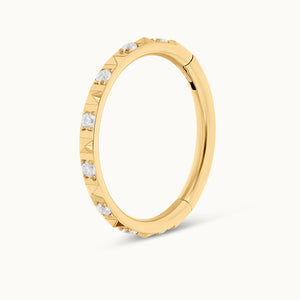
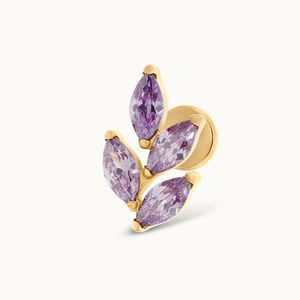
Benefits of ASTM F-136 Titanium:
- Hypoallergenic: titanium is a hypoallergenic material, meaning it significantly reduces the risk of allergic reaction, especially important for sensitive skin. That's why ASTM F-136 titanium piercing jewellery can be worn as first-fitting jewellery.
- Nickel-free: unlike other materials such as 304L surgical steel, titanium contains no nickel, helping avoid the contact dermatitis or allergies this metal often causes.
- Corrosion-resistant: titanium is extremely resistant to corrosion, meaning it doesn't rust and keeps its quality, even when the piercing is exposed to water or moisture. That means titanium piercing jewellery stands up to everyday life.
- Lightweight and comfortable: titanium is light, making it more comfortable to wear, particularly for healing piercings that can be sensitive to the weight of jewellery.
- Biocompatibility: ASTM F-136 titanium meets strict medical-grade standards. This helps ensure strong safety and better acceptance by the body.
By choosing ASTM F-136 titanium for your conch piercing, you maximise your chances of trouble-free healing while enjoying the comfort and safety of a high-quality material.
Average Healing Time for a Conch Piercing
Average Conch Piercing Healing Time
Full healing for a conch piercing generally takes 6 to 9 months or more. That said, everyone is different, and healing time can vary a lot depending on several factors. Some people heal in around 6 months, while for others it can take 9 months or longer, depending on lifestyle and aftercare.
Factors That Affect Healing Time
Several factors can affect how long a conch piercing takes to heal:
- Aftercare: following aftercare instructions is essential. Regular cleaning with a saline solution, without irritating products, goes a long way towards good healing.
- Lifestyle: factors like stress, diet and even sleep can affect healing. A healthy, balanced lifestyle can speed up the process.
- Hygiene: good personal hygiene, avoiding touching the piercing with dirty hands, helps prevent infection and supports healing.
- Jewellery material: the jewellery you choose can also affect healing time.
Materials like ASTM F-136 titanium are recommended to help minimise the risk of reactions and support quick healing.
5 Tips to Speed Up Healing for Your Conch Piercing
1. Clean your piercing with a saline solution: Use a saline solution twice a day to clean your piercing and help avoid infection. You can also use a sterile compress to gently apply the solution to the pierced area. Avoid all alcohol-based or irritating products, which can slow down healing.
2. Avoid touching or moving the jewellery: Don't touch your piercing with unwashed hands, and avoid playing with the jewellery. This can delay healing and cause irritation.
3. Choose quality titanium jewellery: The jewellery you choose is crucial for healing. ASTM F-136 titanium is ideal, as it's hypoallergenic and helps minimise the risk of infection.
4. Sleep on the side opposite your piercing: To avoid unnecessary pressure on the piercing, try sleeping on the opposite side. You can also use a special pillow for extra comfort.
5. Eat a healthy, balanced diet: A healthy, balanced diet can also help your body heal faster. Choose foods rich in vitamins and minerals to support the healing process.
Signs of Normal Healing vs Signs to Watch For
Normal Signs After a Conch Piercing
During healing, it's completely normal to notice certain symptoms that show your body is doing its job. Here are the common signs you can expect:
- Mild redness: some mild redness around the pierced area is normal, especially in the first few days after piercing. It shows your body reacting naturally to the presence of the jewellery.
- Temporary swelling: swelling around the piercing is also common and can last several days, or even a few weeks. This swelling is a natural response from the body and gradually eases over time.
- Small crusts: small crusts forming around the piercing are part of the healing process. These crusts are made of dried lymph and shouldn't be removed forcefully, as this could disrupt healing.
- Mild itching: itching can happen during healing. This is generally down to the skin regenerating and isn't a concern unless it comes with pain or severe inflammation.
Signs to Watch For
While some symptoms are a normal part of healing, it's important to stay alert to any signs of infection or complications. See a piercing professional or a doctor if you notice any of the following:
- Intense, persistent pain: pain that doesn't ease over time, or that gets more intense, can point to an infection.
- Yellow or greenish discharge: discharge that's yellow or greenish, with an unpleasant smell, is a sign of infection that needs prompt medical attention.
- Fever: if you develop a fever, this can mean the infection has spread and needs medical treatment.
- Widespread redness and excessive warmth: if the area around the piercing turns bright red, feels warm to the touch, and the inflammation spreads, this can be a sign of infection needing professional care.
- Persistent bleeding: while a little bleeding is normal right after piercing, bleeding that continues for several days should be checked by a professional.
Healing a conch piercing can take time, but by following these tips, you can help speed up the process and avoid complications. Be patient and take good care of your piercing to enjoy it fully in the months ahead. Ready to take the plunge? Discover our jewellery collection in ASTM F-136 titanium for a conch piercing!